


























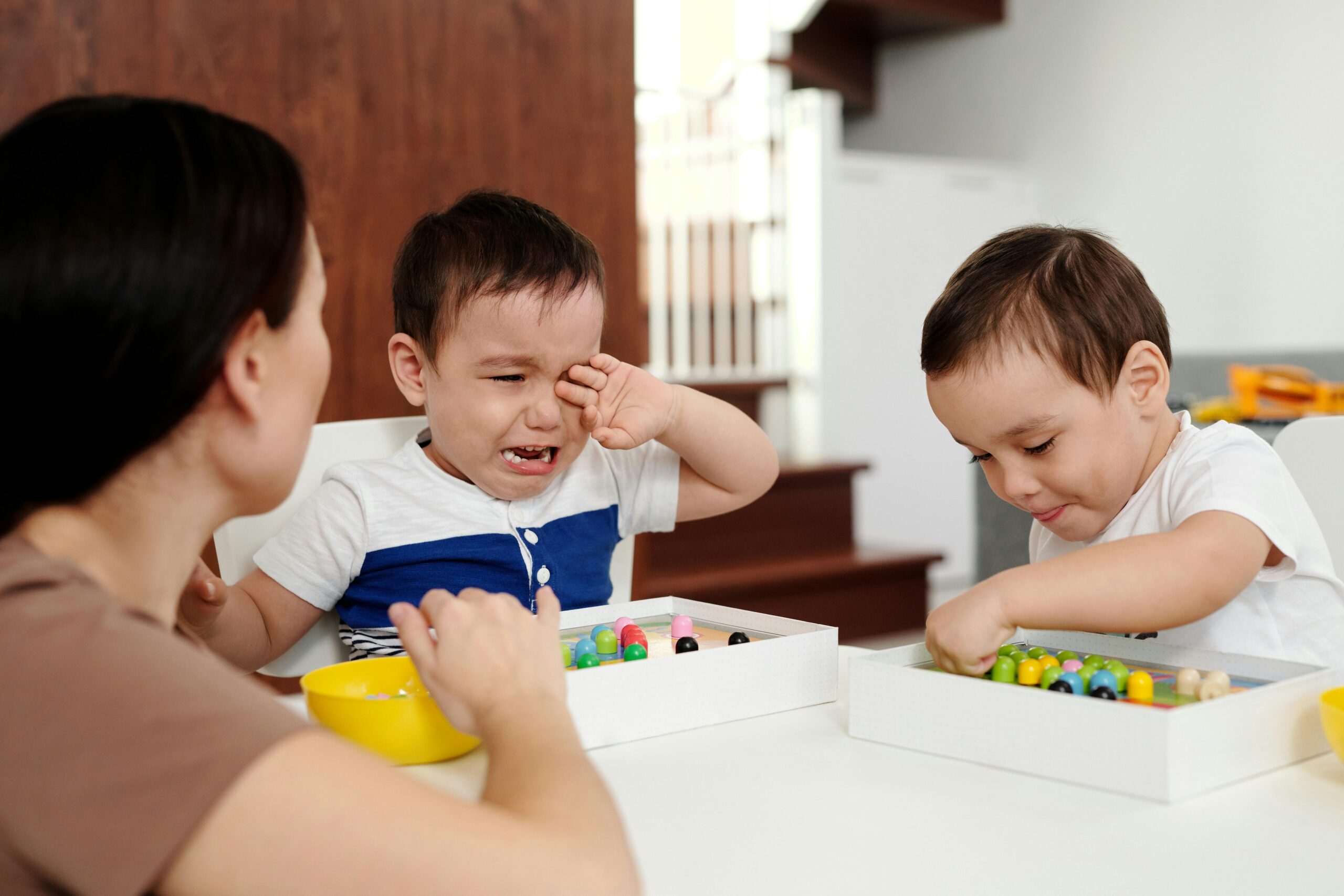
Empathy is key to emotional intelligence and helps with relationships and growth. It lets us understand and share others’ feelings. Teaching kids empathy helps them grow into caring people and builds a kinder world.
In today’s fast world, teaching empathy is vital. Empathy in parenting and raising empathetic children gives them the skills for better human interactions. It helps them be kind and thoughtful. Parents can shape their kids’ emotional smarts early on.
By teaching empathy, kids learn to understand themselves and others better. This leads to healthier relationships and a broader view of the world. This article shows why teaching empathy to children is crucial for their growth and how it shapes their social skills.
Defining Empathy: The Cornerstone of Emotional Intelligence
Empathy is key to emotional smarts. It means understanding and feeling what others feel. It’s about putting yourself in someone else’s shoes and getting their emotions.
Empathy has both thinking and feeling parts. It lets people not just understand others but also feel with them. This makes connections stronger.
What is Empathy and Why is it Crucial?
Empathy is vital for making deep connections and healthy relationships. It helps kids understand their friends’ feelings. This leads to better social skills and solving conflicts.
Empathy is important for emotional health and strong social ties. It helps us be more caring and supportive.
Nurturing Empathy in Early Childhood
Empathy grows early on. Parents and caregivers can show kids how to feel for others. Reading stories and playing pretend help kids see things from another’s view.
Teaching empathy early helps kids be better friends and people. It’s key for their happiness and social life.
Building Emotional Resilience and Self-Awareness
Empathy is key to emotional intelligence. It helps children grow emotionally strong and aware of themselves. By understanding others’ feelings, kids learn to handle their own and become more aware of their emotions.
When kids can see and feel for others, they learn a lot about their own feelings. This helps them deal with life’s ups and downs better. They learn to manage their feelings and think deeply about themselves.
It’s important for kids to be emotionally strong and aware. This helps them grow and build strong relationships. By being empathetic, they learn to connect deeply with others, solve problems, and understand and care for others.
Fostering Healthy Relationships and Social Bonds
Teaching kids about empathy is key to building strong relationships and social connections. When they understand and share others’ feelings, they can handle conflicts better. They also show more compassion and connect deeper with friends and family.
Empathy’s Role in Conflict Resolution
Empathy is crucial for kids to solve conflicts. It helps them see things from another’s point of view. This way, they can find solutions that everyone agrees on.
By being empathetic, kids learn to communicate openly and compromise. They want to understand and meet the needs of everyone involved.
Developing Compassion and Understanding
Empathy in kids also grows compassion and understanding. They start to notice and feel for others’ feelings and struggles. This makes their social connections stronger.
They become more accepting of differences. This leads to a kinder and more united community for everyone.
Parents and teachers should focus on teaching empathy. This helps kids form deep, lasting friendships. It also makes society more caring and understanding.
They should show empathy themselves, give kids chances to practice it, and teach its value. This creates a caring and supportive environment for everyone.
Parenting Strategies to Cultivate Empathy
As parents, we are key in teaching empathy to our kids. Showing empathy ourselves is a powerful way to teach it. When we act with compassion and kindness, our kids will do the same.
Leading by Example: Modeling Empathetic Behavior
Empathy is a skill kids can learn from us. By modeling empathetic behavior, we show them how to be empathetic. Simple actions like listening well, understanding feelings, and helping out are important.
Also, getting kids involved in helping others, like volunteering, helps them see things from different perspectives. Practical tips to nurture empathy in kids include making them think about others’ feelings and building strong connections with family and friends.
Building empathy is a journey that lasts a lifetime. As parents, we can give our kids this vital skill. By using parenting strategies for empathy, we help them become kind, emotionally smart, and aware of others.
The Importance of Reading and Storytelling
Reading and storytelling are great ways to teach kids empathy. They expose children to different views and feelings. This helps them understand and value others’ experiences.
Stories are powerful for building empathy in young people. When kids read or hear stories, they see things from another’s point of view. This helps them feel connected to others and understand their lives better.
Studies show that stories help kids become more empathetic. Being exposed to stories makes them better at seeing things from another’s perspective. It also makes them more caring and emotionally aware. Reading and storytelling are key to teaching kids empathy and emotional smarts.
Embracing Diversity and Cultural Sensitivity
Teaching our kids to be empathetic is key. It’s important to help them understand and value different cultures and views. This makes them more sensitive to others, ready to live in a world where everyone is connected.
Understanding Different Perspectives
Starting with cultural sensitivity means showing kids that not everyone is like them. We encourage them to see things from other people’s viewpoints. This helps them feel more empathetic and curious about others’ lives and traditions.
This broadens their world and gets them ready for deep conversations with people from different backgrounds. It helps them find common ground with everyone.
When kids try to see things from another’s point of view, they become more aware of the challenges others face. This can lead to kind actions, more inclusive behavior, and a fairer society for all.
Empathy in the Digital Age: Navigating Online Interactions
In today’s world, teaching our kids empathy is key. They need to understand and respond to others’ feelings online and on social media. This helps them make healthy friends, solve problems, and stay kind, even online.
Teaching empathy online is tough because we can’t see each other’s faces. Kids might not get how others feel without body language and facial expressions. Parents can help by asking their kids to think about others’ feelings and how they affect people.
Social media moves fast and some people hide behind screens. This can make people less kind. We can teach our kids to slow down, think, and see the person on the other end. This way, they can talk and connect with empathy online too.
Being kind online means knowing how to use technology and understand feelings. As parents, we can show our kids how to make good friends online. We help them be kind and responsible in the digital world.
Parenting: A Lifelong Journey in Nurturing Empathy
Parenting is a deep and rewarding journey. It asks for a strong commitment to teach empathy to our kids. This journey of teaching empathy lasts a lifetime, not just a one-time task.
Right from the start, we get to show our kids how to be kind and understand others. By doing this, we help them become empathetic and caring people. This helps them make a positive difference in the world.
As our kids grow, they’ll meet many challenges and people. They’ll need empathy to handle friendships, conflicts, and different cultures. We must keep teaching them empathy, changing how we do it as they grow.