

























Cultivating creative parenting and nurturing creativity in children is key for their growth. It helps with problem-solving and boosts their happiness. This article will share ways to help kids use their imagination and boost innovation in kids.
Creating a supportive space, giving them open-ended toys, and encouraging play helps kids grow. Parents can help by letting kids think for themselves and express their feelings. Activities like art, accepting mistakes, and celebrating their work can inspire kids to be more creative.
Understanding the Importance of Creativity
Helping kids be creative is key to their growth. It makes them better at solving problems and boosts their confidence. It also helps them express themselves. By teaching them to think creatively, parents prepare them for success in many areas.
Fostering Problem-Solving Skills
Creative thinking lets kids find new ways to solve problems. They learn to look at things from different angles. This skill helps them tackle challenges with confidence and flexibility.
Boosting Self-Confidence and Self-Expression
Creative activities let kids follow their interests and show who they are. They learn to value their unique ideas and talents. This builds their confidence and helps them in all parts of life.
Creating a Nurturing Environment
Starting creativity in kids begins with a caring and supportive space. Give them a special area for creativity and encourage free play. This lets them explore and express themselves without worrying about what others think or if they fail.
Creating a creative space at home boosts your child’s creativity. It could be a corner in their room, an art table, or a part of your living room. Fill this space with art supplies, building blocks, and toys that spark their imagination.
Letting kids take charge of their creative space is crucial. Don’t push them into structured activities. Instead, let them play, try new things, and learn at their own speed. By doing this, you’re helping them grow their problem-solving skills and boosting their confidence and creativity.
Providing Open-Ended Toys and Materials
Helping kids be creative is key to their growth. Open-ended toys and materials are great for this. They let kids explore, try new things, and use their imagination. Unlike toys with set rules, these ones boost problem-solving, spatial awareness, and creativity.
Art Supplies for Creative Expression
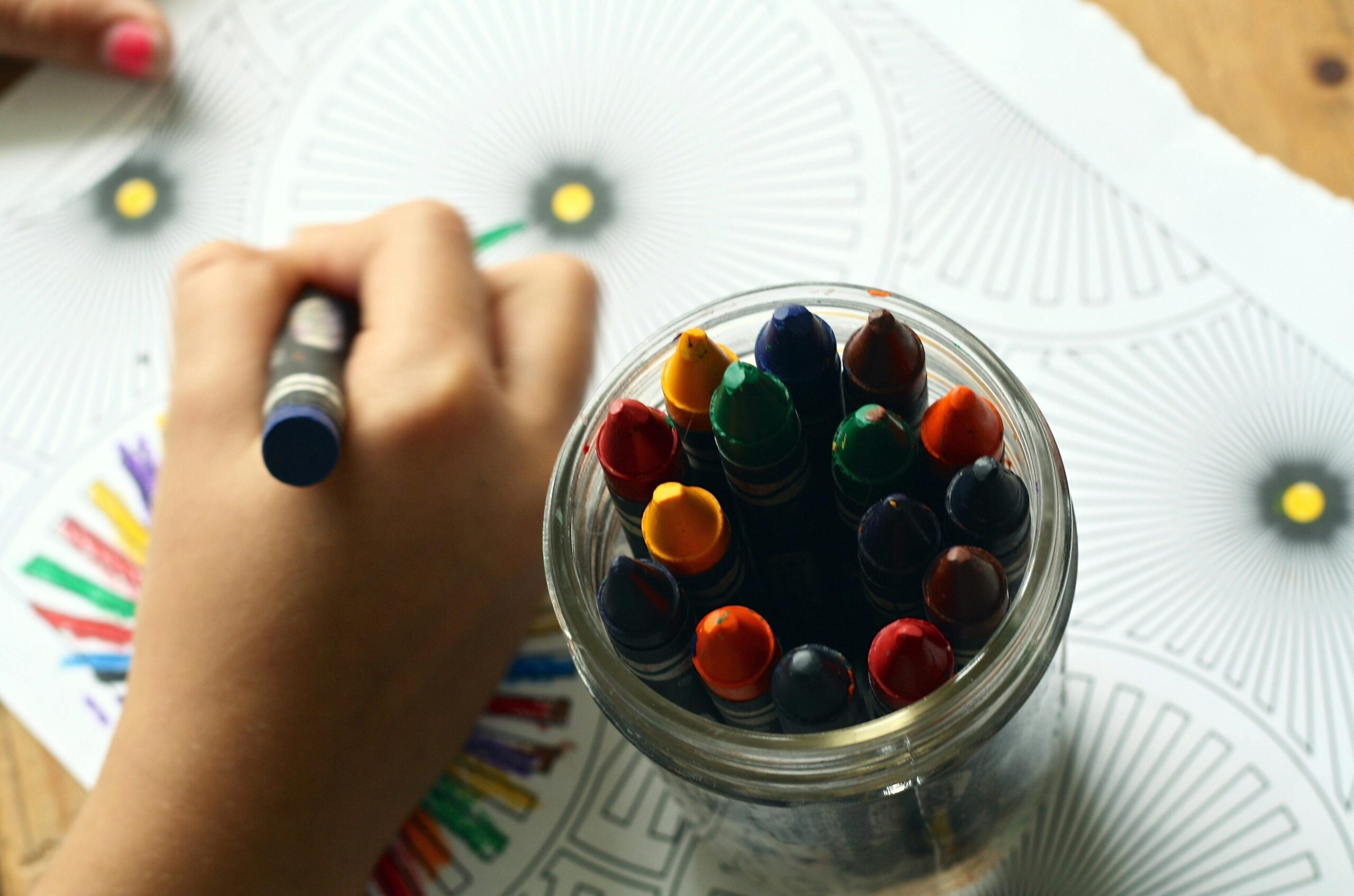
Art supplies like crayons, markers, paints, and clay let kids show their artistic side. They can try different mediums, mix colors, and make unique art. This boosts their creativity, confidence, and way of expressing themselves.
Building Blocks for Spatial Awareness
Building blocks and construction sets are great for spatial awareness and problem-solving. Kids learn how shapes and structures fit together. This play helps them think critically and solve real-world problems.
Open-ended toys and materials help kids be creative and curious. They let kids explore, experiment, and express themselves. This helps them develop important skills for the future.
Encouraging Imaginative Play
Playing is key to a child’s growth. Encouraging imaginative play is a great way to boost creativity. Activities like role-playing and storytelling let kids explore their thoughts and feelings safely.
Role-Playing and Storytelling
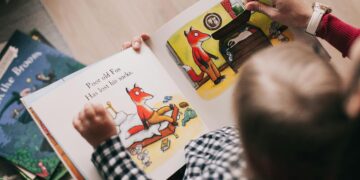
Parents can help by giving their kids props and costumes. This lets kids try on different roles and see things from new angles. Storytelling helps kids use their creativity to tell stories, improving their language and understanding of emotions.
These activities help kids learn important skills like solving problems and being confident. They also help kids express themselves creatively. Role-playing and storytelling spark a child’s curiosity and imagination, preparing them for a life of creativity.
Exposing Kids to Different Art Forms
Helping kids be creative is key to their growth. Showing them various art forms is a great way to do this. Music, dance, and visual arts can open up their creative sides and let them express themselves in new ways.
Music and Dance for Rhythmic Creativity
Music activities like playing instruments or singing help kids understand rhythm and tempo better. Dancing teaches them about space and movement. These activities boost their creativity and help with their physical and brain growth.
Learning to play drums, moving to music, or making dance routines lets kids use their natural rhythm. By trying different arts, they can find what they like and grow to love the arts for life.
Adding music, dance, and other arts to their days helps kids reach their creative potential. It makes them confident, expressive, and innovative. We should create a space that values their art and encourages them to be creative and happy.
Parenting Strategies for Fostering Creativity
We, as parents, have a big role in helping our kids be creative. A key way is to accept mistakes and push them to try new things. By making a safe space for them to take risks and explore, we help them grow and be more creative.
Embracing Mistakes and Experimentation
Creativity comes from trying and failing. When kids are allowed to make mistakes, they see them as chances to grow. Encourage them to try different ways, use new materials, and think differently. Tell them there’s no one “right” way to be creative, and the journey matters as much as the end result.
Value the creative process and celebrate your kids’ unique ideas. Create a supportive space that makes them feel curious and brave. This way, you’ll boost their confidence and keep them excited about their creative interests.
Parenting strategies that accept mistakes and push for trying new things are crucial for kids’ creativity. This approach not only builds important problem-solving skills but also sparks a lifelong love for learning and expressing themselves.
Outdoor Adventures and Nature Walks
Outdoor activities and nature walks can spark kids’ imagination. They expose kids to the natural world, inspiring creativity and wonder. These experiences help with problem-solving and exploration.
When kids go on outdoor adventures, they step away from tech distractions. They dive into the beauty of nature. This helps them appreciate the environment and understand how everything is connected.
Being active outdoors boosts creativity and brain function. It’s a great way to learn and solve problems.
Adding outdoor activities and nature walks to your child’s routine is beneficial. It helps them love learning and solving problems. The fresh air and changing scenes inspire kids to think differently and find new solutions.
Celebrating Their Creations
Helping kids be creative is more than just giving them art stuff. It’s about showing off what they make. By putting up their art and crafts, you boost their confidence. This makes them want to keep being creative.
Displaying Artwork and Crafts
Showing off kids’ art and crafts is a great way to celebrate their creativity. You can hang their drawings on the fridge or make a special art wall. This makes them feel proud of their work and keeps them wanting to create more.
When you show their art, always give them positive feedback. Tell them how great their colors are, their creative ideas, or how detailed they are. This tells them their creativity is important and loved.
This kind of celebration creates a supportive space for kids to grow their artistic skills. It helps them feel strong in their abilities and improves their problem-solving. It’s a great way to help them grow in all areas of life.
Limiting Screen Time
In today’s world, finding a balance between tech and hands-on activities is key for kids. Digital tools help with some creative tasks, but too much screen time can hurt their problem-solving, imagination, and focus. These skills are vital for creativity.
To boost creativity in kids, cut down their screen time. Offer them chances to play without screens. This means art, building with blocks, playing pretend, and exploring nature. Mixing digital and non-digital activities helps kids grow creatively.
Outdoor adventures and nature walks can spark kids’ creativity. They learn to observe, solve problems, and think creatively. Open-ended toys and art supplies let kids experiment and express themselves. They improve their spatial awareness and problem-solving skills.
By supporting these offline activities, parents and teachers help kids succeed in a world that values innovation, critical thinking, and flexibility.
Encouraging Independent Thinking
Teaching kids to think on their own is key to boosting their creativity. It’s not just about giving them art stuff or sending them to workshops. Asking open-ended questions helps them think deeply and explore their own ideas.
Asking Open-Ended Questions
Parents can ask questions that make kids think for themselves instead of just telling them the answers. Questions like “What do you think would happen if…” or “How could we solve this problem?” make kids think of their own solutions. This helps them solve problems and feel more confident.
Creating a safe space for kids to share their ideas and try new things helps them love learning. This approach builds their resilience and adaptability. It prepares them to face challenges and solve problems in new ways.
Open-ended questions are key to helping kids think for themselves and be creative. When kids get to explore their own ideas and solve problems, they grow their critical thinking skills. They also learn to enjoy the process of creating something new.
Collaborative Creative Projects
Working on projects together is a great way to help kids learn about teamwork and sharing ideas. When kids make things together, they see different ways of thinking. They learn to solve problems and feel like they’re part of a team.
Activities like building a model city or making a mural let kids use their own skills and ideas. This helps them work together and make compromises. It also makes them better at social skills, like listening and sharing with others.
These group activities are good for kids’ growth. They help kids feel proud and confident when they work together. Finishing a project also makes kids better at solving problems. It makes them want to take on new challenges.