
























Diversity is key in our world. It’s important to teach our kids about it early. This helps them grow into caring, understanding people. It makes our society more united and accepting.
Teaching kids about diversity means more than just seeing differences in race or culture. It’s about valuing everyone’s unique stories and skills. When kids see different backgrounds, they learn to love the variety in our world.
It’s not just about sharing facts. It’s about teaching kids to be open-minded and kind. This way, they can handle a world that’s getting smaller and more connected. They’ll be caring citizens.
Parents have a big role in making diversity a positive thing. By doing this, we help our kids grow and make our world better for everyone.
Embracing Differences at an Early Age
Teaching kids about different cultures and traditions early on changes their lives. It helps them see the beauty in our diverse world. They learn to value the special qualities that make us all unique.
Understanding Cultural Diversity
Sharing stories and traditions from around the world broadens their view. It teaches them to respect and appreciate the rich human experience. This sets the stage for a more open and welcoming attitude towards others.
Appreciating Individual Uniqueness
It’s also key to celebrate what makes each child special. By showing them their unique talents and interests, we boost their self-confidence. This helps them accept and love who they are, promoting diversity awareness early on.
Fostering Empathy and Compassion
Teaching kids to be empathetic is key for their growth and understanding the world. It helps them see things from others’ viewpoints. This builds empathy and compassion, which are vital for getting along with others and feeling emotions deeply.
Helping kids understand and accept others’ feelings is a big part of teaching empathy. When they think about how their actions affect others, they start to care more. This leads to being kind and helping those in need.
Empathy is crucial in teaching kids about diversity. It helps them value and respect different cultures and beliefs. By being compassionate, kids become friends to those who are left out, making a place where everyone feels welcome.
By focusing on empathy and compassion in parenting and education, we prepare kids for a diverse world. They learn to be kind, understanding, and respectful. This way, we’re building a future filled with empathy and kindness.
Building Inclusive Communities
Creating spaces where everyone feels welcome is key to teaching kids respect and acceptance. Parents are vital in spreading these values at home and in their communities. They set the stage for their kids to learn the value of diversity.
Promoting Respect and Acceptance
Starting with respect and acceptance is the first step to a welcoming community. Parents can show these values by interacting with people from different backgrounds. They should celebrate cultural differences and encourage their kids to do the same.
This approach helps build a peaceful community. It also prepares kids for a world where they can make a positive impact.
By valuing diversity and individuality, parents help their kids feel they belong. This encourages kids to be kind, open, and caring. It helps them become part of a fairer and more united society.
Preparing Kids for a Global World
Our world is getting more connected, making it key to teach our kids for a global future. By giving them a diversity education for global mindset, we help them succeed in a multicultural society.
Developing Cross-Cultural Communication Skills
Teaching kids to communicate across cultures is vital for a global world. It means helping them grasp and value different cultures and views. This helps them understand and respect the importance of diversity in preparing children for the future.
Through active listening and being sensitive to others, kids can handle diverse situations with ease. This makes them ready to connect and work with people from everywhere. They become adaptable and engaged global citizens.
Parenting Tips for Teaching Diversity
As parents, we have a big chance to teach our kids to love diversity. By adding diversity lessons to our daily parenting, we can make them more open and kind. Here are some easy ways to teach diversity at home and make it part of everyday life.
Start by showing your kids many cultures, backgrounds, and views. Read books, watch shows, and do activities that highlight human diversity. Encourage them to ask questions and talk about the differences they see. This helps them learn and value everyone’s unique qualities.
Act with kindness and respect yourself, at home and out in the world. When kids see you embracing diversity, they’ll likely do the same. Show them why empathy, kindness, and supporting the underdog matters.
Make diversity a part of your family life. Celebrate cultural holidays, try new foods, and learn about different beliefs and traditions. These activities will widen their views and help them appreciate our diverse world.
By adding diversity lessons to your parenting, you’re preparing your kids to be global citizens who love our world’s diversity. These tips will help you build a future that’s more inclusive, caring, and connected.
Celebrating Diversity through Books and Media
Children’s books, movies, and other media can open young minds to diverse cultures and experiences. By choosing books and media that focus on diversity, parents can help their kids grow into inclusive thinkers. This helps kids understand and value the world’s diversity.
Age-Appropriate Resources
There are many books and media for kids that teach about diversity. These range from picture books for young kids to novels for teenagers. It’s key to pick content that matches the child’s age and stage of development.
For little ones, books like “The Colors of Us” by Karen Katz or “Skin Again” by bell hooks are great. They gently introduce diversity. As kids get older, books like “Ghost” by Jason Reynolds or “The House on Mango Street” by Sandra Cisneros can explore deeper topics.
Media like films and TV shows, such as “Moana” or “Sesame Street,” also matter. They help kids see the world’s diversity and make it seem normal. By using a mix of books and media, parents can teach kids empathy and challenge stereotypes. This helps kids appreciate the unique stories and contributions of different people.
Addressing Biases and Prejudices
As parents, it’s key to recognize and tackle any biases or prejudices in ourselves and our kids. Talking openly about diversity helps our children see the world more clearly. It’s vital to teach them to question stereotypes to fight prejudices and build a welcoming society.
Challenging Stereotypes
Challenging stereotypes is a good way to fight biases in parenting. We should push our kids to think deeply about what they hear from media, friends, and family. By showing them different views and stories, we help them see beyond old stereotypes.
This way, our kids learn to doubt assumptions, think for themselves, and value everyone’s unique stories. It’s about giving them the tools to see the world with fresh eyes.
It’s also important to educate our kids about diversity. By sharing various cultures, traditions, and views, we help them understand and respect differences. This builds empathy and prepares them for a global world.
The Role of Schools and Educators
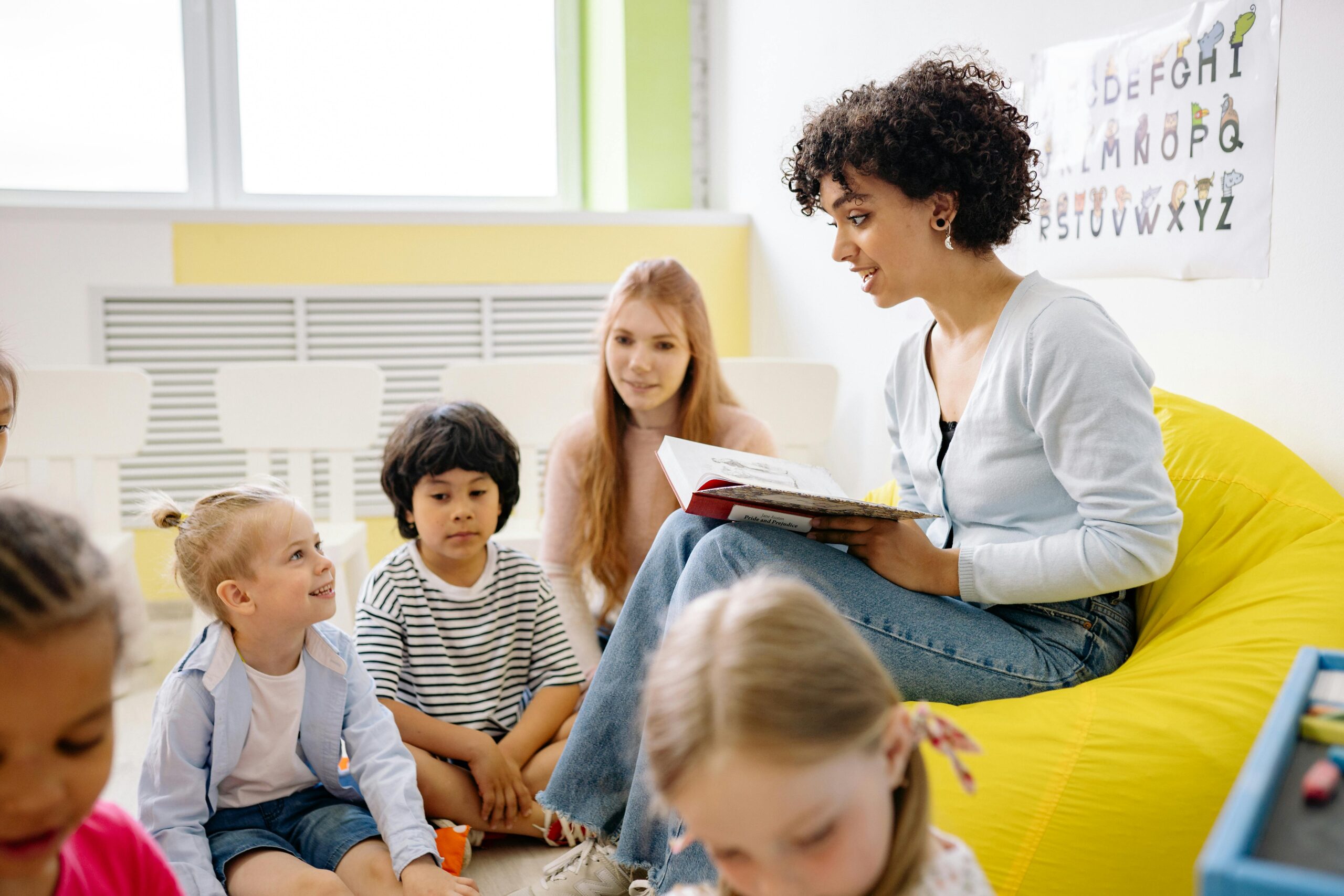
Schools and teachers are key in teaching kids about diversity and creating welcoming places. Parents can work with their child’s school to make sure diversity is a top priority. They can also help teachers get the right tools and training to teach about diversity and inclusion.
The importance of diversity education in schools is huge. By using inclusive lessons and teaching methods, teachers help students understand and value different cultures. This helps kids get ready for a world that’s more diverse. It also gives them the skills to talk and communicate with people from different backgrounds.
Teachers are vital in teaching kids about diversity. Schools can offer them chances to grow professionally and support them in making classrooms welcoming for everyone. By teaming up with parents, schools can make their efforts to promote diversity and inclusion even stronger.