

























Staying active as you get older is key for your health and happiness. Our bodies change as we age, and we need to change our exercise plans too. This guide will show you how to keep moving and feeling great in your later years.
Exercise is great for seniors. It boosts heart health, brain function, and overall happiness. If you want to start exercising or make your routine better, this article has tips and motivation for you.
We’ll talk about exercises that are easy on the joints, building strength, and activities that help you stay flexible. We’ll also cover the role of good eating, getting past exercise hurdles, and how being active can connect you with others and nature.
By the end, you’ll know how to keep an active lifestyle as you age. You’ll be ready to live your best life and enjoy your golden years fully.
Importance of Physical Activity for Longevity
Staying active is key to keeping you healthy and long-lived as you get older. Exercise brings many benefits, like better heart health and stronger muscles and bones. Adding physical activity to your daily life can make you feel better and lower the risk of diseases linked to sitting too much.
Benefits of Regular Exercise
Regular exercise greatly improves your health, both body and mind. It makes your heart healthier, lowers blood pressure, and cuts down heart disease risk. It also makes your muscles and bones stronger, which is vital for staying mobile and independent as you age.
Plus, exercise lifts your mood and lowers depression risk, helping you live a happier and more active life.
Risks of Sedentary Lifestyle
A life without much movement can lead to serious health issues. Sitting too much is linked to obesity, diabetes, and other chronic diseases. These problems can make your life shorter and less enjoyable. To live longer and stay active, make sure to move more and sit less every day.
Finding the Right Exercise Routine
As we age, finding the right exercise is key. Low-impact workouts are perfect for seniors wanting to stay fit. Options like walking, swimming, yoga, and Pilates offer great benefits without stressing aging bodies.
Low-Impact Exercises for Seniors
Walking is easy and effective. It can be part of your daily life, improving heart health and mood. Swimming is also great, as it eases the stress on joints thanks to the water’s support.
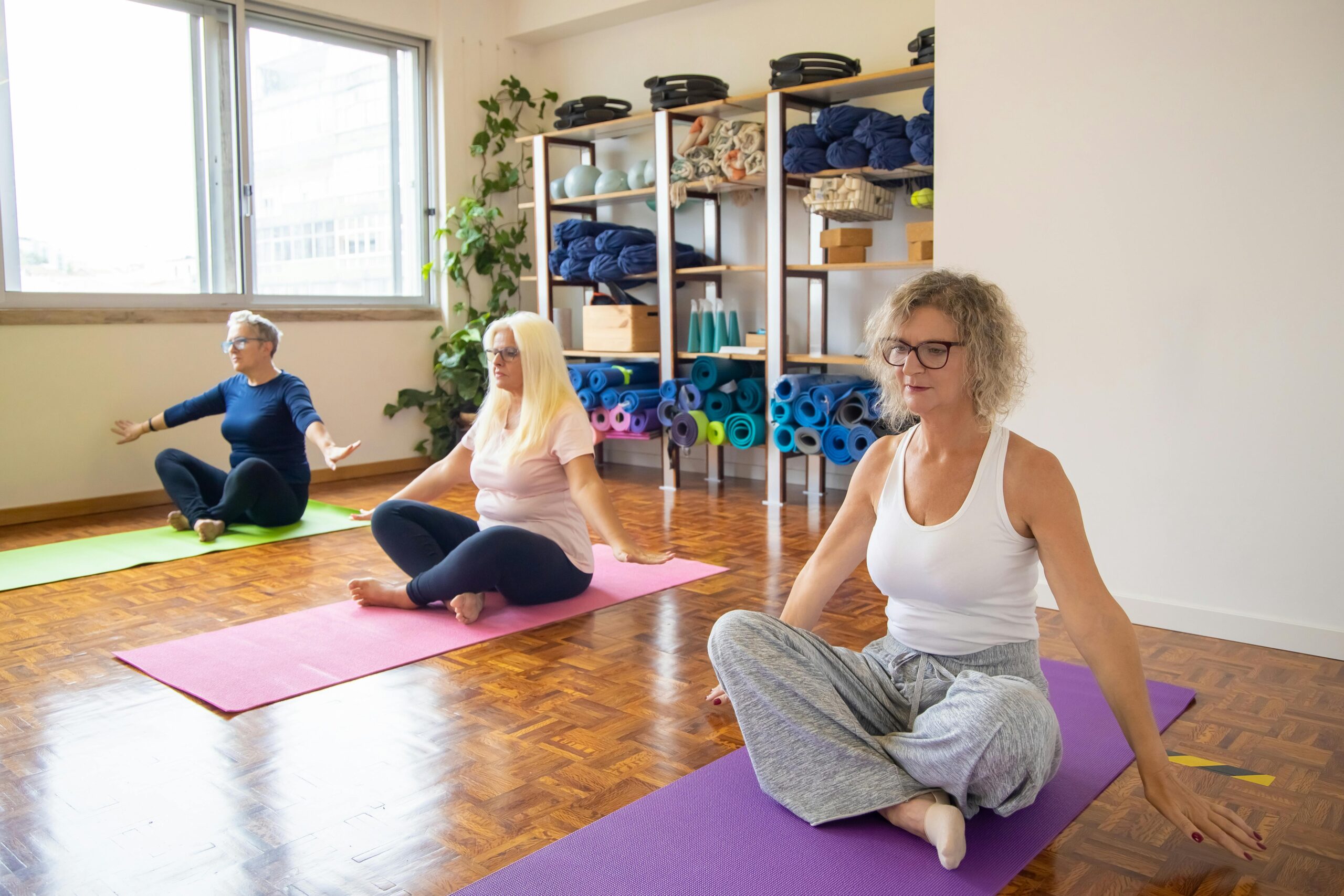
Yoga and Pilates focus on flexibility and strength. They’re easy to start with, even for seniors. These exercises help with balance and core strength, offering both physical and mental benefits.
It’s important to pick exercises you like and can do regularly. Trying different activities can help you find what suits you best. The aim is to stay active and happy, not to overdo it. With the right exercises, seniors can keep up their health and independence as they age.
Incorporating Daily Movement
Staying active every day is key to keeping an active life and staying mobile as you get older. While regular workouts are important, adding short daily activities can greatly improve your health and happiness.
Small actions like taking the stairs, doing chores, or short walks can keep you moving and engaged. These brief activities boost your physical health and give your mind a break. They also let you enjoy the world around you.
Focus on daily activity to live an active life that helps your mobility and health. Whether it’s a quick walk at lunch or stretching during TV breaks, every movement is important. It helps you stay independent and full of life as you age.
Strength Training for Aging Adults
As we get older, keeping our muscles strong is key. Strength training helps keep muscle strength up, improves balance, and lowers the chance of falls and breaks. Adding resistance exercises to your workout can greatly improve your health and happiness.
Importance of Muscle Mass
Our muscles naturally get smaller as we age, a condition called sarcopenia. This can make us weaker, less mobile, and less independent. But, strength training can fight this muscle loss. It helps seniors stay strong, mobile, and live better lives.
Safe Strength Training Exercises
For seniors, safety in strength training is crucial. Good choices include bodyweight exercises, resistance band workouts, and light dumbbell routines. These exercises build strength without harming the joints. Start slow, focus on doing things right, and slowly increase the intensity as you get fitter.
Adding strength training to your routine keeps your muscles strong, improves balance, and lowers the risk of falls and breaks. Talk to a health expert or a fitness trainer to make a safe and effective plan for you.
Staying Flexible and Mobile
As we get older, keeping flexible and mobile is key for our health and freedom. Stretching and gentle yoga can boost seniors’ movement, lower injury risks, and simplify daily tasks. These activities bring many benefits that make life better for older people.
The Benefits of Stretching and Yoga for Seniors
Stretching and yoga help seniors stay flexible, which is vital for staying mobile and balanced. This makes it easier to move around, like getting up from chairs or climbing stairs. These exercises also cut down the chance of falling and getting hurt by making joints and muscles stronger.
Yoga is great for older adults to boost their physical and mental health. It includes gentle poses and breathing that help seniors get stronger, balance better, and feel less stressed and anxious. Many seniors say yoga makes them feel more alive and connected to their bodies.
If you’re new to stretching and yoga or have been doing them for a while, there are many ways to add them to your daily life. Begin slowly, pay attention to your body, and slowly increase the challenge as you get more comfortable. With regular effort and commitment, you can keep your flexibility and mobility as you age.
Nutrition for Active Aging
Proper nutrition is key for an active life as you age. Eating a balanced diet full of nutrient-rich foods helps fuel your body and keep you healthy. As we age, our bodies need different nutrients to stay active and full of life.
It’s important to drink enough water to stay hydrated. Older adults often get dehydrated, which can make them feel tired, dizzy, and unwell. Drink lots of water and eat hydrating foods like watermelon, cucumbers, and leafy greens.
Also, eating foods high in protein, vitamins, and minerals is crucial. Protein helps keep muscles strong, which is important for seniors to stay active and independent. Eat lean proteins like chicken, fish, and beans. If needed, consider taking a high-quality protein powder.
Vitamins and minerals like calcium, vitamin D, and omega-3 fatty acids are vital for bone health and brain function. Eat a variety of foods such as fruits, veggies, whole grains, and dairy to get all the nutrients you need.
By eating well and staying hydrated, you can support an active life as you age. It’s never too late to improve your diet and enjoy the perks of a healthy, active life.
Overcoming Barriers to Exercise
As we get older, staying active can be tough. But, we shouldn’t let these challenges stop us from enjoying the many benefits of exercise. Let’s look at some common issues older adults face and how to get past them.
Addressing Common Concerns
Joint pain is a big hurdle for many seniors. But, exercises like swimming or gentle yoga can help. They can ease joint pain and boost your ability to move. Always talk to a doctor to find exercises that fit your needs and abilities.
Not feeling motivated is another big challenge. Try doing activities you love, like walking with a friend or dancing in a class. Celebrating your small wins and setting realistic goals can keep you going and make you feel proud.
Time can be a big issue, especially if you’re busy or have family to care for. But, even short daily exercises, like a 10-minute walk or some strength training, can be very beneficial. Make exercise a priority and find ways to fit it into your day.
The secret to beating exercise barriers is to stay positive and be open to trying new things. By tackling your specific issues and finding creative ways to exercise, you can keep an active lifestyle as you age.
Health and Wellness for Seniors
Staying active is key for seniors’ health and long life. But it’s not the only thing. For true wellness, seniors need to focus on many areas. This includes their mental, emotional, and physical health, as well as preventive care.
Building strong social ties is crucial for seniors’ health and joy. Being part of a group, whether it’s a club, class, or volunteer work, fights off loneliness. It also helps seniors make deep connections. Plus, activities like mindfulness and meditation boost their mental health and brain power.
Preventive care is a must for seniors. Regular doctor visits, tests, and shots can catch health problems early. This proactive approach helps seniors stay well and live better as they get older.
For seniors, health and wellness means looking after their body, mind, emotions, and social life. By focusing on these areas, older adults can live a full and happy life. This approach lets them enjoy their lives to the fullest.
Outdoor Activities for Seniors
As we get older, staying active and enjoying the outdoors is key. Outdoor activities are great for both the body and mind of seniors. They bring joy and improve life quality in the golden years.
Benefits of Nature and Fresh Air
Being in nature is good for our health. Fresh air and sunlight lift our mood, cut stress, and boost brain power. Seniors who enjoy the outdoors feel more alive, sharp, and connected.
Being close to nature also makes us appreciate life more. It doesn’t matter if it’s a walk in the park, gardening, or trying new things like hiking or kayaking. Outdoor activities keep seniors close to nature’s healing power.
Social Connections Through Group Activities
As we get older, keeping up with our social circles is key for our happiness. Being part of group fitness classes, sports leagues, or other group activities helps us stay active. It also builds strong relationships and a sense of belonging.
Classes like dance, yoga, or Tai Chi let you get fit and meet new people. These classes often have a social side, where you can talk, share stories, and make friends. Joining a sports league, whether it’s bowling, pickleball, or a competitive team sport, also keeps you active. Plus, it helps you bond with your teammates.
There are also social activities for seniors, like book clubs, volunteering, or coffee dates with friends. These activities keep you sharp, both physically and mentally. They also fight off the loneliness that can happen as we age.
Adding social activities to your life boosts your health and emotional well-being. It also strengthens your community ties. Whether it’s a fitness class, a sports team, or a club, the benefits of staying connected are clear.
Adapting Exercise Routines as You Age
As we age, it’s key to change our exercise routines to fit our changing bodies and abilities. Making these changes helps us stay active and healthy in our later years. If you’re facing joint pain, less mobility, or other age-related issues, there are ways to adjust your workouts.
One important step is to choose low-impact activities that are easier on your joints. Think about adding swimming, cycling, or bodyweight exercises to your routine. These activities help you stay active without putting too much strain on your joints.
It’s also vital to consider your physical limitations when planning your workouts. You might use tools like resistance bands or balance aids. Or, you could work with a physical therapist to create a exercise modifications for aging plan. By adjusting workouts to fit your needs, you can keep up your fitness and independence.
Being flexible and open-minded is key to adapting well. Try out different exercises, get advice from health experts, and be ready to make changes as needed. By doing this, you can keep enjoying the benefits of exercise even as you age.
Staying Motivated to Stay Active
Keeping active as you get older is rewarding but can be tough. The secret is to stay motivated and make exercise a habit. Begin by setting goals that fit your fitness level and interests. Goals can be anything from improving endurance, building strength, or just moving more each day.
Having clear goals helps you stay on track and see your progress. It makes exercise more meaningful.
Creating a routine is key to staying active. Find times and activities that fit your life and add them to your daily or weekly plan. Celebrate your small victories and try new exercises to keep things interesting.
Getting support from others can really help you stay motivated. Join a fitness class, find a walking buddy, or connect with people online. This way, you’ll have friends to share your journey with, which makes it more fun and keeps you going.