

























Teamwork and cooperation are key skills every child needs. They improve social skills and help with emotional intelligence, problem-solving, and teamwork. Parents can help their kids develop these skills, making them ready for school and life.
This guide will show you how to make your kids better at working together. We’ll cover creating a supportive space and fun team activities. You’ll get lots of tips to help your kids work well with others and understand each other better.
Importance of Teamwork and Cooperation for Child Development
Teamwork and cooperation are key skills for kids to learn early on. They help with school success and build important social and emotional smarts. By making kids work together, we help them make strong friendships, improve how they talk to each other, and grow empathy and understanding.
Social Skills and Emotional Intelligence
Teamwork helps kids deal with social situations, make compromises, and solve conflicts. They get better at listening, sharing their thoughts and feelings, and seeing things from others’ views. These skills are the base for emotional smarts, which is key for good relationships and handling emotions well.
Problem-Solving and Critical Thinking
Working together in groups makes kids think creatively, look at problems from different sides, and find solutions as a team. This teaches them to think deeply, make smart choices, and bounce back when things get tough. These skills are super useful in school and real life.
Creating a Supportive and Inclusive Environment
Building teamwork in kids starts with a supportive and inclusive space. This space makes kids feel safe, important, and ready to work together. By building trust, respect, and open talk, kids learn to work well with others.
It’s key to celebrate diversity in this space. Kids are different, with their own views, skills, and strengths. By valuing these differences, kids learn to belong and work together better.
Also, letting kids share their thoughts and join in decisions makes them feel in charge. When kids know their ideas matter, they’re more likely to team up and see the value of working together.
Creating a supportive and inclusive space helps kids do well in teams. It helps them learn important social and problem-solving skills. This prepares them for success in life and work.
Modeling Teamwork and Cooperation at Home
As parents, we have a chance to teach teamwork and cooperation to our kids every day. By showing these skills at home, we help them succeed in school, work, and with friends.
Leading by Example
Kids learn a lot by watching us. When we use good communication and teamwork, they’re more likely to do the same. By working together on household tasks, we show them the value of teamwork and listening to others.
Encouraging Collaboration in Daily Tasks
Every day, there are chances to practice cooperation. Give your kids tasks that need two or more people, like cooking, cleaning, or pet care. Encourage them to share their ideas and work together to solve problems.
By making teamwork a part of your family’s life, you’re teaching your kids important skills. These lessons will help them both at home and in the world outside.
Fun Team-Building Activities for Kids
Teaching teamwork and cooperation to children is fun. You can do this with team-building activities. These games and exercises help kids learn social skills, solve problems, and feel united.
Indoor Games
On rainy days or when inside, there are many indoor team-building activities. Kids can work on puzzles or art projects together. This helps them talk, work together, and feel proud of their work. A fun game is the “Balloon Tower Challenge,” where kids try to make the tallest tower with balloons and tape.
Outdoor Adventures
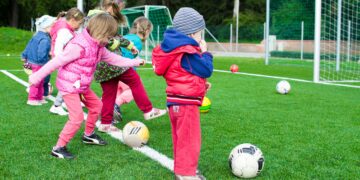
Outdoor activities are great when the weather is good. Kids can do scavenger hunts, races, or obstacle courses. These activities make kids work together, plan, and help each other. They also get to be active and learn important skills like solving problems and being flexible.
Successful team-building activities are all about having fun, including everyone, and working together. These activities help kids learn important skills that will help them in life.
Parenting: Fostering a Sense of Unity and Belonging
As parents, our main goal is to make our family feel united and like a strong team. When kids feel close to their family, they feel more secure and confident. This support helps them do well in life.
To build a united family, we need to spend quality time together and share activities. We should also teach kids how to solve problems together and talk openly. This helps them see the value of teamwork and feeling like they belong.
It’s important to praise each child for who they are and what they do. This makes them feel important and part of the family. It also helps them feel secure and ready to face challenges.
By focusing on unity and belonging, parents can make a safe space for their kids to grow. This helps them do well in school and in life, making them ready for the future.
Encouraging Positive Communication and Active Listening
Teaching kids to talk and listen well is key to teamwork and working together. By showing them how to share their thoughts and feelings, and how to listen to others, we help them learn important skills. These skills are vital for working well with others.
Conflict Resolution and Compromise
Conflicts will happen as kids work together. But these moments can teach them how to solve problems and make compromises. Help your kids figure out the issue, think about other views, and find solutions everyone can live with.
Use “I” statements, listen actively, and aim for solutions that everyone can agree on. By doing this, you’re teaching them how to communicate and listen positively. These skills are crucial for teamwork and will help them in life, both now and later.
Celebrating Differences and Embracing Diversity
It’s key to value the diversity in our lives when teaching teamwork to kids. Each child is special, with their own stories, views, and skills. By celebrating these differences, we help create a place where everyone understands and respects each other.
Accepting diversity means more than just seeing the obvious differences. It’s about really valuing what each child adds to the group. This way, we make sure everyone feels included and helps kids see the worth of each other’s strengths and views.
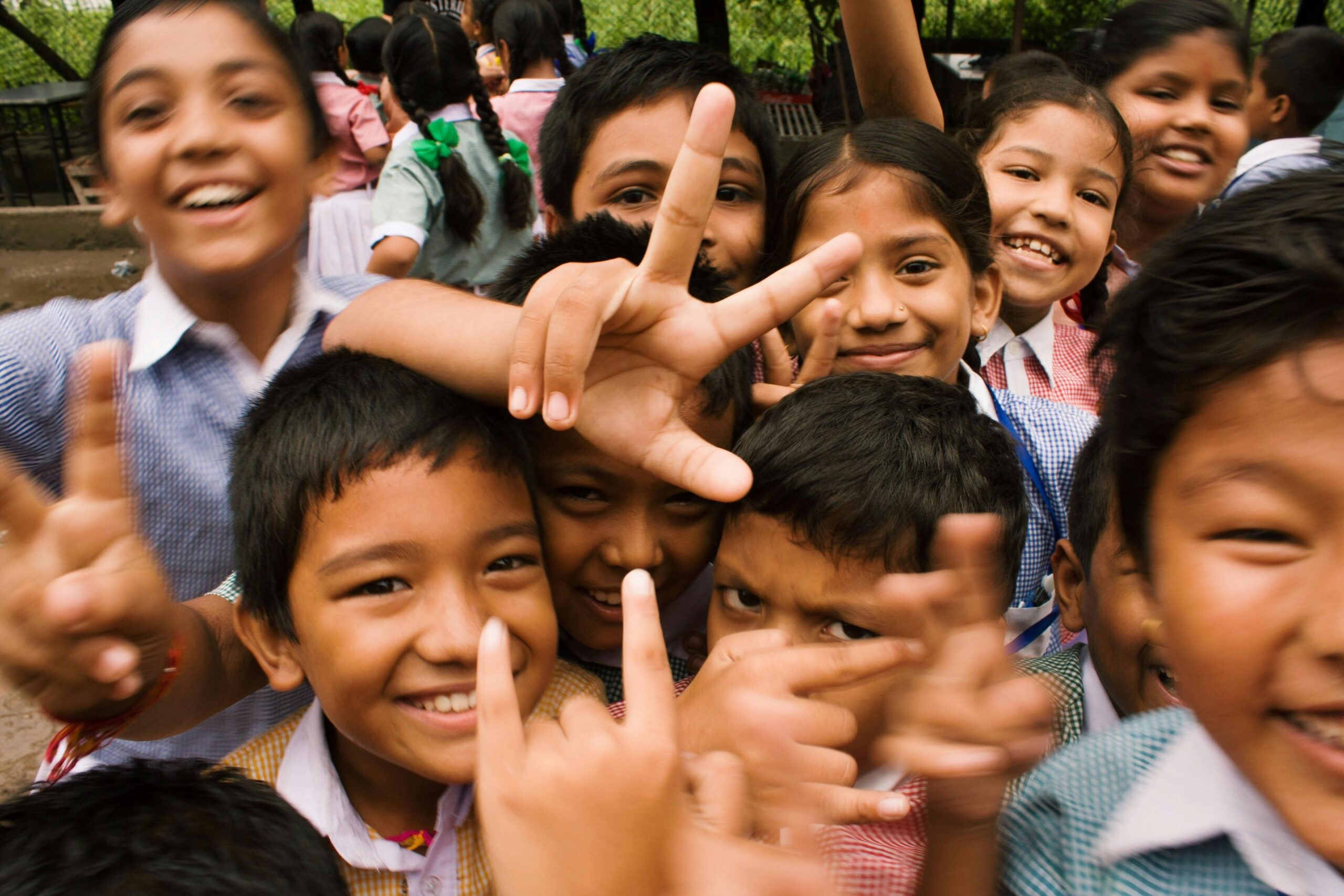
Working with kids from different backgrounds teaches them a lot. They learn to be empathetic, handle cultural differences, and solve problems better. This prepares them for the world, where everyone is different.
By valuing differences and diversity, we make a safe space for kids to be themselves, try new things, and work together. This builds a sense of belonging and confidence in them. It prepares them for teamwork and success now and later.
Setting Expectations and Establishing Rules
Effective teamwork and cooperation begin with clear expectations and rules. As parents, we guide our children in learning these skills. By setting the right tone and rules, we create an environment that values collaboration, problem-solving, and respect.
Consistency and Follow-Through
Consistency is crucial in teamwork. Kids love routine and predictability. So, it’s important to have clear rules and stick to them. This applies to chores, solving conflicts, or celebrating wins. A consistent approach shows the value of teamwork and cooperation.
Following through with the rules you set is also key. It shows you’re serious about teamwork. This helps kids understand limits and builds trust and accountability in the team.
Setting expectations and rules isn’t about being strict. It’s about giving kids a structure to work with. By finding the right balance between guidance and freedom, you help your kids become confident in teamwork and cooperation. These skills are important for now and the future.
Acknowledging and Rewarding Teamwork Efforts
It’s key to build a teamwork culture in kids. Acknowledging and rewarding their efforts is just as crucial. When kids work well together, it’s important to notice and celebrate their wins. This makes them want to keep improving their teamwork skills and feel proud and motivated.
One good way to show teamwork is with a reward system. You could give out stickers, certificates, or small prizes for their teamwork. Or plan group activities or outings for them to enjoy together.
Also, saying nice things about their teamwork can really help. Praising how they talk, work together, and solve problems as a team shows how important these skills are. By always thanking and rewarding them, you make a positive place for kids to want to work together and aim for success.
The main aim is to make a supportive and welcoming space for kids to work together and use their strengths. By recognizing and rewarding their teamwork, you help them feel proud and keep wanting to grow these important life skills.
Overcoming Challenges and Dealing with Setbacks
Teamwork and cooperation can face obstacles, but these challenges help children grow. They learn to be resilient and solve problems. Parents should guide them to come out stronger.
Dealing with different personalities or ways of communicating is common. Teach your kids to listen well, understand others, and find common ground. Encourage them to keep their eyes on the team’s goals, not just their own.
When things don’t go as planned, it can be tough. Tell your kids that mistakes are chances to learn and get better. Help them figure out what went wrong, think of ways to fix it, and try again with more effort. Celebrate their small wins to boost their confidence.
Overcoming obstacles together makes the bond between children and their parents stronger. It teaches them important life skills. By facing challenges with patience, flexibility, and a positive outlook, your family will come out more united and resilient.
Building Trust and Fostering Mutual Respect
Building trust and respect in a team is key for kids to work well together. Parents and caregivers have a big role in showing the way. They set the example for how kids should treat each other.
Leading by Example
Kids watch us closely and copy what we do. By being real and respectful, we teach them to be the same with others. Showing empathy and being open helps them learn important skills for life.
Trust and respect grow slowly over time through honest talks and actions. By living these values ourselves, we make a safe space for kids. They feel free to share their feelings and thoughts without worry.
Fostering a Collaborative Mindset from an Early Age
Teaching kids to work together is key to their future success and happiness. By teaching them about teamwork and sharing responsibilities early, parents help them face the world’s challenges with confidence. This approach prepares them for a world where working together is important.
Getting kids to work on projects together and solve problems as a team is beneficial. It helps them learn important skills like talking, understanding others, and solving problems. These skills help them do well in school and with friends. They also get ready for a world where working together is crucial.
Also, teaching kids to work together helps them feel part of a community. This is good for their feelings and how they connect with others. When kids see the strengths in their friends, they learn to value different views and respect everyone’s place in the group.