


























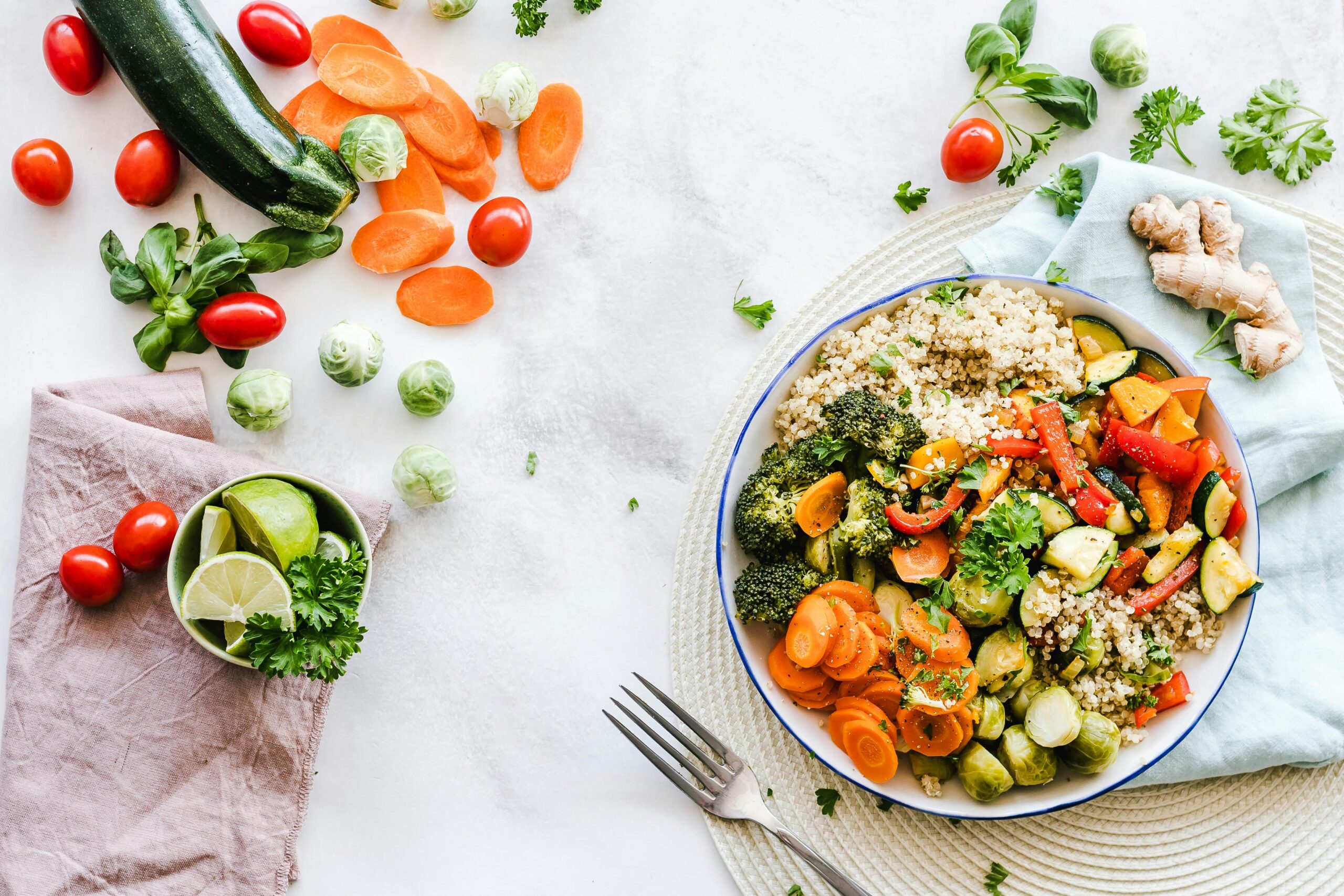
As parents, we have a big role in how our kids see food. We help shape their eating habits for life. This guide gives you 10 ways to make healthy eating a part of your family. It helps you build good food habits, improve nutrition, and make your kids love healthy food.
These tips help you make a home where healthy eating is loved. Learn how to set daily routines and get your kids involved in cooking. You’ll see how to be a good example, plan healthy meals, and deal with picky eaters with care and creativity.
Let’s find ways to make eating healthy fun and important for your family. We’ll make nutritious choices a big part of your life.
Nurturing Positive Food Habits from an Early Age
Starting healthy eating early is key for a child’s well-being. By teaching good food habits early, parents help set the stage for a lifetime of eating well.
Establishing Healthy Routines
Mealtime routines are important for kids and their food habits. Setting regular times for meals and snacks helps kids feel secure. It also makes them more likely to eat healthily and see food as a positive thing.
Involving Children in Food Preparation
Getting kids involved in cooking can make them more interested in healthy eating. Letting them help with simple tasks like washing veggies or mixing ingredients gives them a sense of pride. It also introduces them to more foods, helping them appreciate healthy choices for life.
By using these methods, parents can help their kids develop good eating habits early. This sets them up for a future of eating well and staying healthy.
Leading by Example: Parenting and Healthy Eating
As parents, we shape our kids’ views on food. How we eat affects our family and kids’ food habits. By setting a good example, we help them develop healthy eating habits for life.
When we model healthy eating, we set the family’s eating tone. This makes a supportive space for kids to try new foods. By loving nutritious meals, we become role models. This encourages our kids to eat well too.
Parental modeling goes beyond just eating together. How we shop, plan, and cook meals shapes our kids’ eating habits. By letting them help, they learn about their food’s origins and the effort it takes. This approach boosts healthy eating and family bonds.
Parenting and healthy eating is a journey. By always showing we care about our health, we inspire our kids to do the same. This leads to a lifelong love for eating well.
Creating a Balanced and Varied Meal Plan
Creating a meal plan that’s balanced and varied is key for kids’ growth and health. It’s important to include a mix of foods that are full of nutrients. This way, kids can learn to love different foods and stay healthy.
Incorporating Nutrient-Dense Foods
It’s important to fill a child’s plate with foods that are packed with nutrients. This includes fruits, veggies, whole grains, lean proteins, and healthy fats. These foods give kids the vitamins, minerals, and fiber they need to be healthy.
Exploring New Flavors and Cuisines
Introducing kids to new tastes and types of food can make them more excited about eating. It helps them find new foods they like and enjoy different kinds of meals. This can lead to a lifelong love of trying new foods.
By making meal plans that are balanced and varied, parents can help their kids develop good eating habits. This approach includes using foods that are full of nutrients and trying out new tastes and dishes. It’s a great way to support kids’ health and growth.
Addressing Picky Eating Habits with Patience
Dealing with picky eating is common for many parents. It’s important to be patient and encouraging. Create an environment that encourages kids to try new foods at their own speed.
Encouraging Experimentation
It’s key to get your child to try different foods. Start with small amounts and let them get used to the taste and feel. Always praise their efforts and don’t criticize, as this can stop them from trying new foods.
Let your child help in the kitchen. They can touch, smell, and even help prepare meals. This can make them more curious and willing to try new foods.
Being patient is vital when dealing with picky eaters. It might take many tries before they accept a new food. Keep offering a variety of healthy foods. And remember, kids often copy what they see in their parents.
By being positive and supportive, you can help your child expand their food preferences. This can lead to a healthier relationship with food.
Parenting: Fostering a Positive Relationship with Food
Building a good relationship with food is key for a child’s health. Parents have a big impact on how kids see eating. By eating mindfully and connecting with food emotionally, we help kids develop healthy eating habits for life.
Encouraging mindful eating is important. It means eating slowly, enjoying the taste, and listening to your body. This helps kids eat based on their needs, not just by following rules about size or calories.
Also, connecting with food emotionally helps. Letting kids help with cooking, sharing family recipes, and celebrating food traditions builds pride and appreciation. This makes meals a time for fun and connection, not just eating.
Parenting is crucial in how kids see food. By teaching mindful eating and emotional connection with food, we give them healthy habits for life.
Making Healthy Eating Fun and Engaging
Encouraging kids to love healthy eating can be fun and exciting. By adding creative and interactive elements, parents can turn healthy eating into an adventure. Kids will look forward to trying new foods.
Creative Presentation Techniques
Make healthy foods look fun with creative presentation. Cut fruits and veggies into fun shapes or arrange them in colorful patterns. Use skewers for vibrant “food art.” Trying different textures, colors, and flavors can make kids curious and mealtime exciting.
Involving Children in Grocery Shopping
Take kids with you when you go grocery shopping. Let them pick out fresh produce and find new ingredients. They can even help plan meals. This makes them more interested and lets them make choices about what they eat.
By making healthy eating fun, parents can help kids develop a good relationship with food. Using creative ways to present food and letting kids help with shopping makes eating healthy an exciting journey.
Understanding and Managing Food Cravings
Food cravings are common for both parents and kids. It’s important to know why we crave certain foods and how to handle these cravings in a healthy way. Often, cravings come from emotional needs like stress, boredom, or a desire for comfort.
Understanding the difference between true hunger and eating due to emotions is key. Teaching kids about balanced eating helps reduce cravings for unhealthy foods. Encouraging mindful eating, where kids pay attention to their hunger and fullness, is also helpful.
Offering healthy alternatives like fresh fruits, veggies, or low-fat dairy can curb cravings. By teaching kids to make smart food choices, parents can help them develop a positive view of food. This will benefit them for the rest of their lives.
Promoting Mindful Eating Practices
Teaching kids to eat mindfully can help them have a good relationship with food. It helps them know when they’re hungry or full. This way, they can make better choices about eating.
Recognizing Hunger and Fullness Cues
It’s important for kids to listen to their bodies. Ask them to think, “Is it really hunger, or is it something else?” They should notice when they feel hungry or full. This includes a growling stomach or feeling satisfied.
This awareness helps kids know when they’re hungry or full. It leads to better mindful eating choices. This supports their health.
Learning to eat mindfully is a long-term process. By doing this with your family, you’re helping your kids develop a healthy eating habit. This approach supports their well-being.
Celebrating Successes and Embracing Progress
As your child works on healthy eating habits, it’s key to celebrate every small win. Positive reinforcement helps encourage them to keep going and love nutritious foods. It’s a strong way to support their journey.
The journey to healthy eating isn’t always easy. There will be ups and downs, good times and bad. By cheering on your child’s efforts, you make them feel proud and motivated. This creates a supportive space for them to grow.
When your child tries a new veggie, eats a whole meal, or picks healthier options, say thank you. This positive feedback strengthens the good habits they’re building. It also pushes them to aim higher for their goals.