


























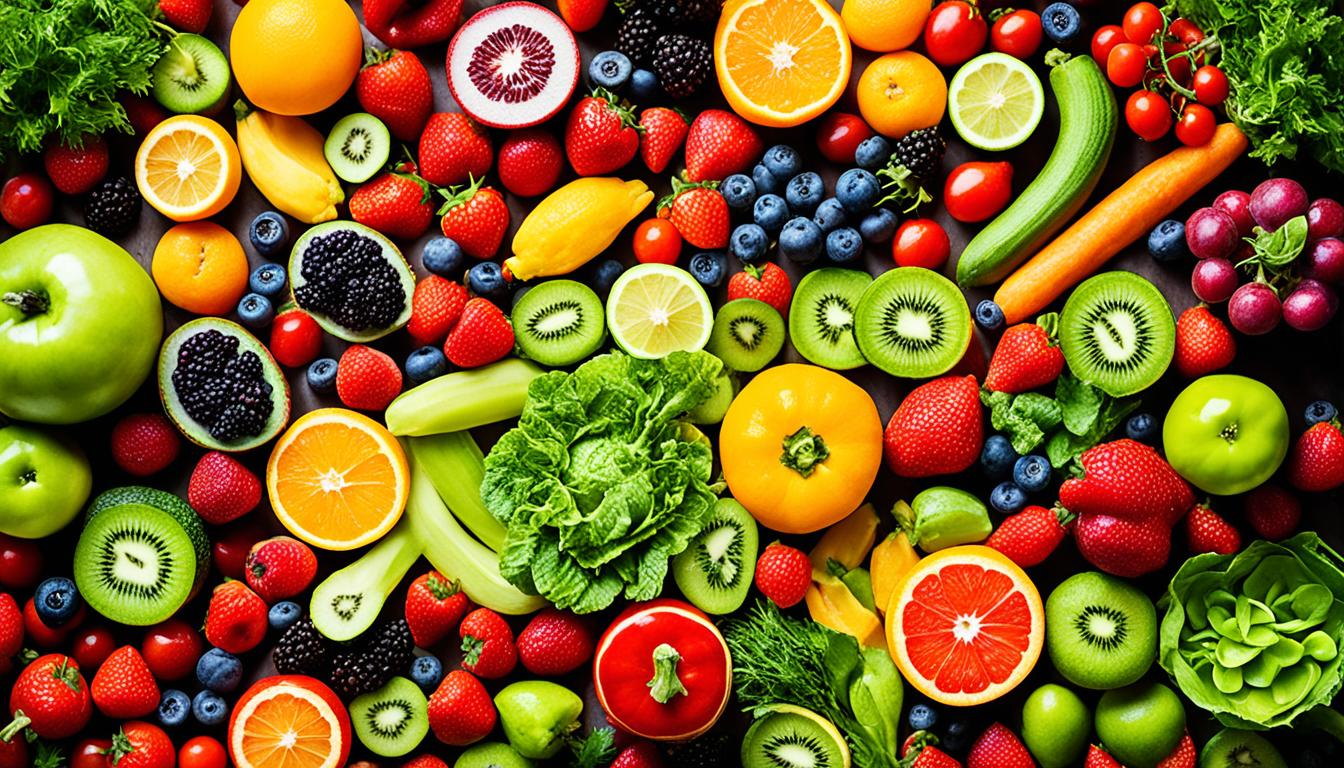
Making a healthy eating plan is key to feeling great. This guide will help you manage your nutrition better. It will show you how to balance your diet with the right foods. By setting achievable goals and planning your meals, you’ll eat better and feel better.
Do you want to get healthier, manage a health condition, or just feel better? This article will give you the info and tools to make a diet plan that fits you. Get ready to start a journey to better nutrition and a more vibrant life.
Understanding the Basics of Healthy Eating
Getting a balanced and nutritious diet is key for good health and feeling great. At the heart of this are the macronutrients – carbs, proteins, and fats. These give your body the energy and building blocks it needs to work well. Learning to balance these nutrients makes sure your body gets what it needs.
Balancing Macronutrients
Carbs are the main fuel for your body, powering your brain and muscles. Proteins are important for fixing tissues, growing muscles, and keeping your immune system strong. Fats help make hormones, absorb nutrients, and keep your body warm. Finding the right mix of these nutrients is crucial for staying healthy.
Incorporating Essential Micronutrients
It’s also vital to eat foods rich in micronutrients like vitamins, minerals, and antioxidants. These nutrients support many body functions, from keeping bones strong to helping your brain work well. Adding these nutrients to your meals helps your body get everything it needs for good health.
Setting Realistic Goals for Your Eating Plan
Starting your journey to better nutrition and health begins with setting the right goals. It’s key to have a clear plan for lasting changes in your eating habits. By using SMART goals, you can make a plan that leads to success.
First, look at how you eat now and see where you can do better. Think about what you want to improve, like eating more nutrients or balancing your diet. Also, think about your health goals, like managing a health condition, feeling more energetic, or keeping a healthy weight.
With clear goals in mind, it’s time to make them into steps you can take. Make SMART goals that fit your life and needs. For example, aim to eat one more vegetable serving each day for the next four weeks. This goal is specific, measurable, achievable, relevant, and has a deadline.
Your goals should be realistic and fit your current life and abilities. Don’t set goals that are too hard and might make you give up. Instead, aim for small, steady changes that you can keep up with over time.
Setting realistic goals and making a plan to reach them is a great start to a healthy eating plan. Stay focused, keep track of your progress, and be gentle with yourself. With the right mindset and steps, you can make your nutrition and health goals a reality.
Developing a Meal Planning Strategy
Effective meal planning is key to a healthy eating plan. Planning meals ahead saves time, money, and helps you stick to your health goals. It makes grocery shopping easier and meal prep simpler.
Planning Meals in Advance
Set aside time each week to plan your meals. Look at your calendar and think about your schedule. Identify when you can batch cook or prepare meals early.
Planning meals ahead ensures you have ingredients ready. It reduces the stress of deciding what to eat daily.
Utilizing Healthy Recipes
It’s important to find healthy and tasty recipes for meal planning. Check out online resources, cookbooks, or food blogs for recipes that fit your diet and needs. Choose recipes with lean proteins, complex carbs, healthy fats, and lots of fruits and veggies.
Try new ingredients and flavors to keep meals exciting. This way, you’ll enjoy your food more and stay motivated.
Using these strategies can make grocery shopping easier and meal prep quicker. You’ll always have healthy, tasty food ready for the week. With a bit of planning and a love for new recipes, you can improve your relationship with food and boost your health.
Incorporating More Whole Foods into Your Diet
To make a healthy eating plan, focus on adding more whole foods to your meals. These include fresh fruits, veggies, whole grains, and lean proteins. They are packed with nutrients and offer great health benefits. Unlike processed foods, whole foods don’t have added sugars, unhealthy fats, or artificial additives.
Benefits of Whole Foods
Eating a diet full of whole foods has many benefits. They are high in fiber, which helps with digestion and keeps you feeling full. They also give you more vitamins, minerals, and antioxidants per calorie, boosting your health.
Studies show that eating whole, minimally processed foods lowers the risk of chronic diseases. This includes heart disease, diabetes, and some cancers.
To add more whole foods to your diet, start by swapping processed snacks for fresh fruits, veggies, and whole grains. Try new recipes with whole, plant-based ingredients. Limit your intake of processed, calorie-dense foods. This simple change will help you eat healthier and more nutrient-rich.
Balancing Calories for Overall Health
Getting the right calorie balance is key for good health. It’s about knowing how many calories you eat and how many you burn. This knowledge helps you make choices that help with weight management and health.
Calorie balance means matching the calories you eat with the calories you burn. If you eat more calories than you burn, you gain weight. Eating fewer calories than you burn helps you lose weight.
To keep a healthy calorie balance, understand your energy intake and energy expenditure. Keep track of what you eat and stay active. This helps you lose weight or keep a healthy balance.
Using strategies like portion control and eating mindfully can help with calorie balance. Choosing whole, nutrient-rich foods also supports your weight management goals. The goal is to find a balance that fits your age, gender, activity level, and health.
By following nutrition science and using practical tips, you can find a calorie balance. This balance fuels your body, supports your health, and lets you live your best life.
Staying Hydrated for Overall Well-being
Drinking enough water is key to a healthy life. It helps keep your body balanced and supports many functions. Drinking water can make you think better and help your skin look good.
How much water you need depends on your age, gender, and how active you are. Adults should try to drink at least eight 8-ounce glasses of water each day. But, if you’re very active or live in a hot place, you might need more.
Listen to your body to know how much water you need. If you’re thirsty or your pee is dark, it’s time to drink more.
There are many drinks that can help you stay hydrated, not just water. Unsweetened tea, coffee, and low-fat or non-fat milk are great choices. Fruit-infused water and sparkling water can also be tasty. But, try to avoid sugary drinks like soda and juices because they add extra calories without helping you stay hydrated.
Make sure to drink a variety of healthy drinks to keep your body balanced. Pay attention to how much water you drink and listen to what your body tells you. This way, you’ll stay hydrated all day long.
Mindful Eating: Tuning into Your Body’s Signals
Starting to eat mindfully can change how you see food and understand your body’s hunger and fullness signals. It means eating with full attention, noticing the tastes, smells, and textures of your food. This way, you can start eating more naturally, listening to what your body really needs.
Recognizing Hunger and Fullness Cues
It’s important to pay attention to when you feel hungry or full. Notice the growling in your stomach, feeling tired, or a “hollow” feeling. Also, know when you’re full, like when you feel satisfied, eat slower, or feel happy and content. This helps you make better choices about eating.
Mindful eating helps you understand your body’s needs better. It leads to eating in a balanced and healthy way. By listening to your body, you can stop eating too much or too little. This builds a healthier relationship with food.
Overcoming Challenges and Setbacks
Starting a healthy eating plan is a big step, and we’ll face obstacles. Cravings, emotional eating, or losing motivation can make it tough. But, with the right strategies, we can beat these challenges and reach our goals.
Strategies for Staying Motivated
Staying motivated is key to keeping healthy eating habits. Setting small, achievable goals helps us feel like we’re making progress. Celebrating these small wins, like trying a new recipe or hitting a weight-loss goal, boosts our motivation.
Having a support system is also vital. Joining groups or online communities with people who share our goals gives us the support and accountability we need. Hearing stories of others who’ve succeeded can really inspire us.
Plus, making healthy eating fun can help us stay motivated. Trying out new recipes, cooking techniques, and flavors makes eating healthy enjoyable. This makes it easier to stick with it.
The secret to beating healthy eating challenges is to be kind to ourselves, flexible, and always learning. By building resilience and finding what works for us, we can change how we see food. This leads to better health and wellness in the long run.
Creating a Support System for Success
Getting to your healthy eating goals is easier with a strong support system. Having social support, accountability, and a community can change everything. When you involve your family and friends, you get encouragement and motivation to keep going.
Also, getting advice from nutritionists or health coaches can be really helpful. They offer insights, personalized plans, and advice backed by science. This kind of support helps you stay on track and reach your goals.
Creating a support system is about finding what works for you. It might be talking regularly with a friend, joining a cooking class, or meeting with a nutritionist. With the right support, you can stay motivated, bounce back from tough times, and improve your health for good.
Adapting Your Eating Plan for Different Lifestyles
Keeping a healthy eating plan is key, but it’s important to remember that everyone is different. Your lifestyle, dietary needs, and cultural background affect your eating habits. Whether you’re busy, a student, or have special dietary needs, your eating plan should fit your life.
For those with lifestyle adaptations, being flexible with meals is crucial. Meal prepping or having quick, healthy recipes can keep you on track, even when you’re super busy. If you have dietary needs or follow special diets, you might need to make bigger changes. This could mean using different protein sources or changing the balance of your meals.
Adding cultural considerations to your eating plan can also boost your health. Trying traditional dishes and using familiar flavors can make eating healthy more fun and lasting. By mixing in your cultural tastes, you can make a meal plan that feeds your body and soul.
Being adaptable is key to sticking with healthy eating over time. By being open and willing to try new things, you can make a meal plan that fits your life perfectly. This supports your health and happiness.
Celebrating Your Progress and Enjoying the Journey
Starting a healthier lifestyle is a big deal, and it’s key to celebrate your wins. Every step towards eating better and feeling good is important. It’s worth taking time to enjoy these small victories.
Self-care is key to keeping up healthy eating habits for life. Do things that make you happy, like taking a relaxing bath, going for a walk, or enjoying a hobby. Taking care of yourself helps you stay positive and committed to healthy choices.
Think of wellness as a journey, not a goal. Celebrate your small wins, learn from any challenges, and remember progress isn’t always straight. Being flexible and adaptable helps you make healthy eating a part of your life for the long run.