


























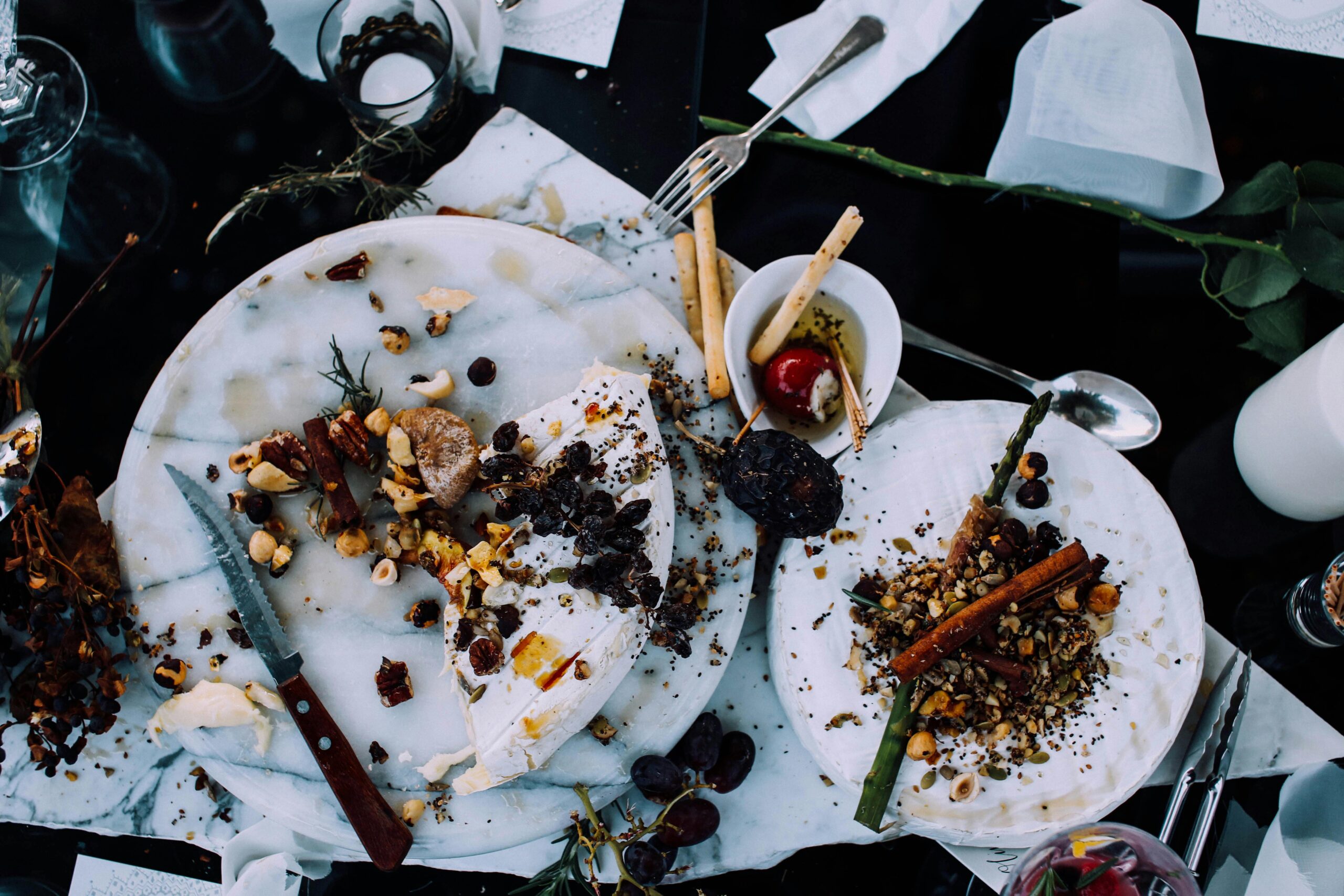
In today’s world, resources are limited, and food waste has a huge environmental impact. It’s crucial to use sustainable practices in our kitchens. This article offers 10 easy tips to help you reduce food waste, save money, and support a greener future.
These strategies include meal planning, understanding expiration dates, and creative ways to use leftovers. By following these tips, you can make the most of your groceries and cut down on waste. You’ll save money and help the planet at the same time.
Meal Planning: The Key to Reducing Food Waste
Meal planning is a simple way to cut down on food waste. By making a weekly menu and checking your pantry and fridge before shopping, you can skip buying things you already have. This helps you only buy what you need, cutting down on waste.
Create a Weekly Menu
Start by planning your meals for the week. Think about your schedule and what you like to eat. Make a list of meals you want to make, and include a mix of dishes to keep things exciting. This keeps you organized and helps you buy only what you need, reducing waste.
Check Your Pantry and Refrigerator
Before you go shopping, quickly check your pantry and refrigerator. See what you already have and use it to help make your grocery list. This way, you won’t buy things you already have or forget ingredients that might go bad, helping you prevent food waste.
Using these easy meal planning tips can really help cut down on food waste and save you money. A little planning makes a big difference in keeping your kitchen sustainable and efficient.
Understanding Food Expiration Dates
Food expiration dates can be confusing, but they’re key to knowing when food is fresh and safe. It’s important to know the difference between “best by,” “use by,” and “sell by” labels. These labels help you choose wisely to cut down on food waste.
The “best by” date tells you the last day the food will taste its best. It doesn’t mean it’s dangerous after that, but it won’t be as good. The “use by” date is the last day you should use the product for the best quality. After this, it might not be safe to eat.
The “sell by” date is for stores, telling them when to remove the product. At home, you often have days to weeks more to eat it, depending on the food and how you store it. Knowing these dates can help you use your food better and reduce waste.
Learning about these date labels and the shelf life of foods helps you decide when to eat or throw them away. This knowledge cuts down on food safety risks, saves money, and helps the planet by reducing waste.
Proper Food Storage Techniques
Storing food right is key to making it last longer and cutting down on waste. Knowing how to organize your fridge and freeze leftovers helps a lot. This way, you can save money and reduce food spoilage.
Refrigerator Organization
Keeping your fridge organized is important for storing food well. Put similar items together, like meats, dairy, and fruits and veggies. This helps keep them at the right temperature. Also, set aside specific spots for different foods to find them easily.
Don’t forget to clean and rearrange your fridge often. This keeps it tidy and efficient for storing food.
Freezing Leftover Foods
Freezing is a great way to keep leftovers fresh and reduce waste. Storing and labeling frozen items correctly can make them last for months. Use containers or bags that seal well to keep air out, which can cause freezer burn.
Always eat frozen foods before they go bad for the best taste and quality.
Portion Control: The Budget-Friendly Approach
Mastering portion control is a simple way to cut down on food waste and save money. It means serving the right amount of food, so you don’t have too many leftovers or waste ingredients. This method not only reduces waste but also makes your grocery budget go further.
Start by planning your meals with portion sizes in mind. Look at the recommended serving sizes for your ingredients and adjust your recipes. This way, you make just the right amount, avoiding too much leftover food that might get wasted.
Also, pay attention to how much you eat. Serve yourself reasonable portions and don’t eat if you’re already full. Saving leftovers for another meal is a great way to enjoy your food without wasting it.
By controlling portions in your cooking and eating, you can cut down on food waste and save money. This approach helps you make the most of your food purchases. It also means you’re not wasting money on uneaten meals.
Get Creative with Leftovers
Getting creative with leftover ingredients can really change the game. Instead of throwing away extra food, you can make new dishes. These dishes will taste great and save you money too.
Repurposing Leftover Ingredients
Leftover veggies, proteins, and grains can make many new meals. For example, you can shred leftover chicken for soup or a chicken salad. Overripe bananas can be mashed for muffins or banana bread. Even old greens can be used in a stir-fry or a smoothie.
It’s important to be open-minded and willing to try new things with leftovers. By finding new recipes and ways to repurpose food, you can make something special. This also helps reduce waste and saves money.
So, when you have leftovers, don’t hesitate to be creative. With a bit of imagination and cooking skills, you can turn those leftovers into tasty meals. Your family will love them and ask for more.
Composting: The Eco-Friendly Solution
When you have food scraps you can’t use, composting is a great choice. It keeps waste out of landfills and makes soil for your garden or houseplants. Composting is easy and helps reduce food waste, making your home more eco-friendly.
Composting turns food waste into something valuable by breaking it down naturally. This cuts down on landfill waste and makes a soil amendment that feeds your plants. It’s a simple way to lessen your environmental impact.
Starting to compost is straightforward. You just need a bin or spot, green and brown materials, and patience. You can add food scraps, yard trimmings, and even shredded paper. This mix creates a soil amendment that boosts your plants’ health.
Adding composting to your routine helps cut down on food waste and supports a healthier planet. It’s an easy, impactful way to deal with food waste and help the environment.
Shopping Strategies to Minimize Waste
Smart grocery shopping can really help cut down on food waste. A key tip is to make a detailed shopping list before you go. This keeps you focused and stops impulse buys that often end up in the trash.
Buying in Bulk for Non-Perishables
For items like canned goods, grains, and spices, buying in bulk is smart. It cuts down on packaging and lets you store items for a long time. This way, you won’t waste food, and you might even save money.
Before you shop, check what you already have at home. This helps you avoid buying things you already have. Being aware of your pantry and fridge contents helps you plan better and reduce waste.
Using strategies like making a list, sticking to it, and buying in bulk can really help. These simple steps can make a big difference. They help you save money and are good for the planet.
Budget Tips for Reducing Food Waste
Reducing food waste can save you a lot of money. By using a few smart strategies, you can cut costs and be more mindful of your food use. Meal planning is a key way to reduce waste and save money.
Start by making a weekly menu and checking your pantry and fridge before shopping. This helps you avoid buying things you don’t need. Using sales and coupons can also stretch your budget and cut down on waste.
Buying non-perishable items in bulk can save you money too. This is a great way to save on groceries.
Another way to save is by controlling your portions. Be aware of how much you make and eat to avoid throwing away leftovers. Turning leftovers into new meals can also help you save more money.
Using smart shopping, planning meals, and reducing waste can help you save money and reduce food waste. These tips can lead to a healthier wallet and a more sustainable home.
Embrace Imperfect Produce
It’s time to think differently about food waste. Ugly fruits and vegetables are often ignored because they don’t look perfect. But they can be just as tasty and healthy as the ones you usually buy. Using these items can save you money and help reduce food waste.
Utilizing Ugly Fruits and Vegetables
Discounted imperfect produce is a great way to eat well without spending a lot. These items might look different, but they’re still good to eat. You can use them in many recipes, like soups, stews, roasted veggies, and even baked goods.
By choosing imperfect produce, you’re saving money and fighting food waste. These items often end up in the trash, which is bad for the environment. Buying and using them shows that looks don’t matter as much as taste and health.
Next time you’re shopping, check out the “ugly” produce section. Get creative with your cooking and enjoy delicious, affordable meals. You’ll be helping to reduce waste and supporting a more sustainable food system.
Educate and Involve the Family
Reducing food waste is a team effort for the whole family. It’s important to teach everyone why it matters and get them involved. This way, you can create lasting habits that help the planet and save money.
Begin by teaching your family about food waste’s effects on the environment and their wallets. Show them how simple actions like storing food right, planning meals, and using leftovers can help. Encourage everyone to share their ideas for cutting down on waste. This will make them feel responsible and part of the solution.
Get your family involved in meal planning and grocery shopping. Let them help by checking what you already have at home before making a shopping list. Or ask for their favorite recipes for the week’s meals. Working together makes it easier to stick to sustainable habits.
Creating a waste-free home is an ongoing process, not just a quick fix. Celebrate when you all reduce waste or find new ways to use leftovers. This positive feedback will keep your family motivated to keep up their good work.
Reducing Food Waste at Restaurants
Food waste isn’t just a home problem; restaurants also struggle with it. Luckily, diners can help cut down on food waste when eating out. By ordering smartly, asking for smaller portions, and getting doggy bags for leftovers, you can support sustainable dining.
When looking at the menu, think about how hungry you are and order only what you can finish. Restaurants often give big portions, so think about sharing a dish or choosing a starter or side instead of a full meal. If you have leftovers, ask your server for a container to take them home. This simple step helps prevent good food from going to waste.
By changing how you eat out, you can lessen restaurant food waste and support sustainable dining. With a few dining out tips, you can enjoy your meal and help reduce waste.