


























Parenting is a rewarding journey filled with joys and challenges. Our goal is to raise happy, well-adjusted kids who can thrive. This guide offers 10 key tips for a loving home and strong family bonds.
These strategies from experts focus on quality time, positive reinforcement, and creativity. They help support your child’s emotional, physical, and mental health. You’ll find practical advice to help your kids be confident and emotionally healthy.
These 10 tips are great for new and experienced parents alike. They provide the tools and insights for a positive home and stronger family ties. Start this rewarding journey with confidence, ready to help your children grow and find joy in every step.
The Importance of Quality Time
Spend quality time with your kids for their emotional and social growth. Sharing activities helps build a strong bond and supports their well-being. Enjoying a family game night, a one-on-one outing, or just talking can deeply impact your child’s happiness and growth.
Creating Meaningful Connections
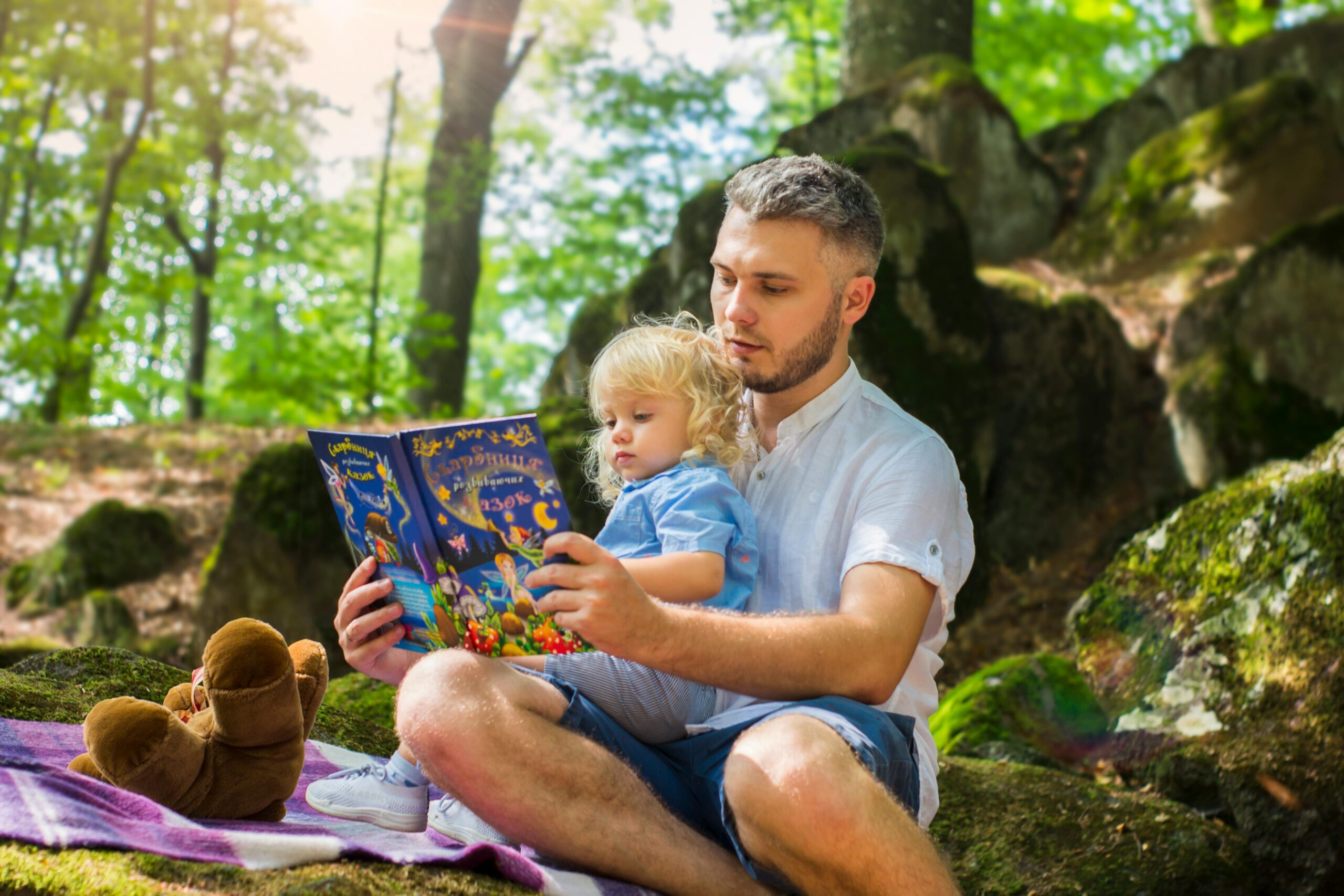
Strong parent-child bonds start with meaningful connections. Put away distractions and be fully present with your child. Do activities they like, like reading, walking, or playing pretend. These moments strengthen your bond and make your child feel important and understood.
Balancing Work and Family Life
Finding a good work-life balance is hard today. But, it’s key for your family’s growth and your happiness. Look for ways to make family time a priority, like setting work boundaries, sharing tasks, or adding kids to your work life. This balance lets your kids get the attention they need and helps you meet your job duties.
Positive Reinforcement and Praise
Raising happy and well-adjusted children is a goal for parents everywhere. The key to this is using positive reinforcement and praise. By rewarding good behavior, you can shape your child’s actions, boost their self-esteem, and create a supportive environment.
Positive reinforcement is a powerful parenting method. Praising your child for their efforts and good actions encourages them to do more of it. This approach also raises their self-esteem and makes them feel proud of their achievements. By showing them they’re valued, you help them feel more confident and motivated to keep doing well.
It’s important to give specific and real praise for the best results. Instead of just saying “Good job,” say something like, “I’m so proud of how hard you worked on your math homework tonight.” This kind of praise makes the positive actions clear and shows the value of their hard work.
Using positive reinforcement and praise can change how your child grows. By celebrating their successes, you help them feel motivated, confident, and eager to keep improving.
Encouraging Healthy Habits
Raising happy kids means focusing on their physical, mental, and emotional health. Starting healthy habits early can greatly impact their growth and life quality. By pushing for physical activity and supporting their emotional health, you help them live a healthy and joyful life.
Promoting Physical Activity
Being active is key for your child’s growth. Get them into fun activities like outdoor games, family walks, or sports. Make sure they have active playtime and find new ways to add exercise to their day. Leading by example and making it a family thing can make them love moving for life.
Nurturing Emotional Well-being
Emotional health is as vital as physical health. Create a caring space where your child feels free to share their feelings. Teach them how to deal with stress and talk openly. Do activities that help with self-care, like mindfulness or creative projects. Putting your child’s emotional health first helps them be strong and aware of their feelings.
Raising healthy, happy kids is a journey. By always pushing for good habits, encouraging exercise, and caring for their feelings, you give your child the tools to succeed and reach their goals.
Fostering Creativity and Imagination
Helping your child grow their creativity and imagination is key to their growth. Through various play and arts, you can help them reach their full potential. This also builds a lifelong love for learning.
Engaging in Play and Arts
Creative play boosts critical thinking, problem-solving, and communication skills. It lets kids think deeply and express themselves freely. They get to explore their interests and talents.
Arts like painting, drawing, or dance boost creativity and imagination too. These activities make kids curious and let them try new things. They learn to appreciate the world more.
Creating a space that values creativity and imagination is good for your child. These skills help them face challenges with an open mind. They’ll think creatively and find new solutions.
Parenting with Patience and Understanding
Being a good parent means balancing patience and understanding. It’s key to be empathetic and control our feelings to help our child. This builds trust and improves how we talk to each other. It also helps our child grow emotionally smart.
Children can test our patience with their actions. But we must see their behavior as a sign of their feelings, not a personal attack. By understanding them, we guide them through tough emotions and teach them how to handle them.
Parenting with patience means listening and accepting our child’s feelings. It means being kind when faced with challenges. This makes our children feel safe to share their feelings and learn from mistakes. It helps them become resilient, solve problems, and have a stronger bond with us.
Choosing understanding over criticism creates a safe space for our children. It lets them explore, take risks, and grow in confidence. Being patient and understanding helps our child’s emotional growth and happiness.
Building Resilience and Coping Skills
Parenting is a journey filled with joys and challenges. Giving your child the ability to develop resilience and coping skills is a valuable gift. These skills help them face obstacles, recover from setbacks, and grow.
To help your child become resilient, focus on their problem-solving skills. Encourage them to face challenges bravely, offering help when it’s needed. Teach them to break problems into smaller steps and find creative solutions. This boosts their critical thinking and confidence.
Teaching your child to manage their emotions is key to resilience. Help them express feelings in healthy ways, like talking, art, or coping techniques for their age. This helps them deal with life’s ups and downs, making them more resilient.
It’s important to foster a growth mindset in your child. Show them that challenges are chances to learn and get better, not just hurdles. Celebrate their hard work and progress, not just the results. This mindset helps them see setbacks as temporary and embrace growth.
By focusing on resilience and coping skills, you’re giving your child a strong foundation for life. These skills will help them face challenges and support their long-term well-being.
Embracing Diversity and Inclusivity
Raising kids in a place that values diversity is key to their growth. By celebrating differences and teaching empathy, we prepare them for a diverse world. This part talks about how to make your family a place of acceptance and understanding.
Celebrating Differences
Introducing kids to various cultures and traditions helps them see the world’s beauty. Encourage your family to explore new foods and traditions. Celebrate different holidays and let your kids meet people from all backgrounds.
This way, they learn to respect and understand others. It makes them more open-minded and caring.
Teaching Empathy and Respect
Teaching kids to be empathetic and respectful is vital. Show them by listening to their feelings and understanding others. Teach them to be kind and respectful to everyone, no matter their background.
Have talks about diversity, fairness, and making a difference. This helps them become caring and inclusive people.
By valuing diversity and inclusivity, we prepare our kids for a world that honors our differences. Teaching them to be aware, empathetic, and respectful makes them ready to be caring and inclusive citizens of the world.
The Power of Positive Role Models
The people around your child greatly shape their growth. By showing them positive role models, you help shape their character and morals. These role models should live the values you want your child to have.
Family members, teachers, and leaders in the community can be great examples. They show your child what it means to be kind, honest, and caring. Seeing these traits in action teaches your child the value of these qualities.
Choosing the right role models for your child is important. It helps them understand what being a good person means. This can deeply affect their values and choices, making a big difference in their life.