


























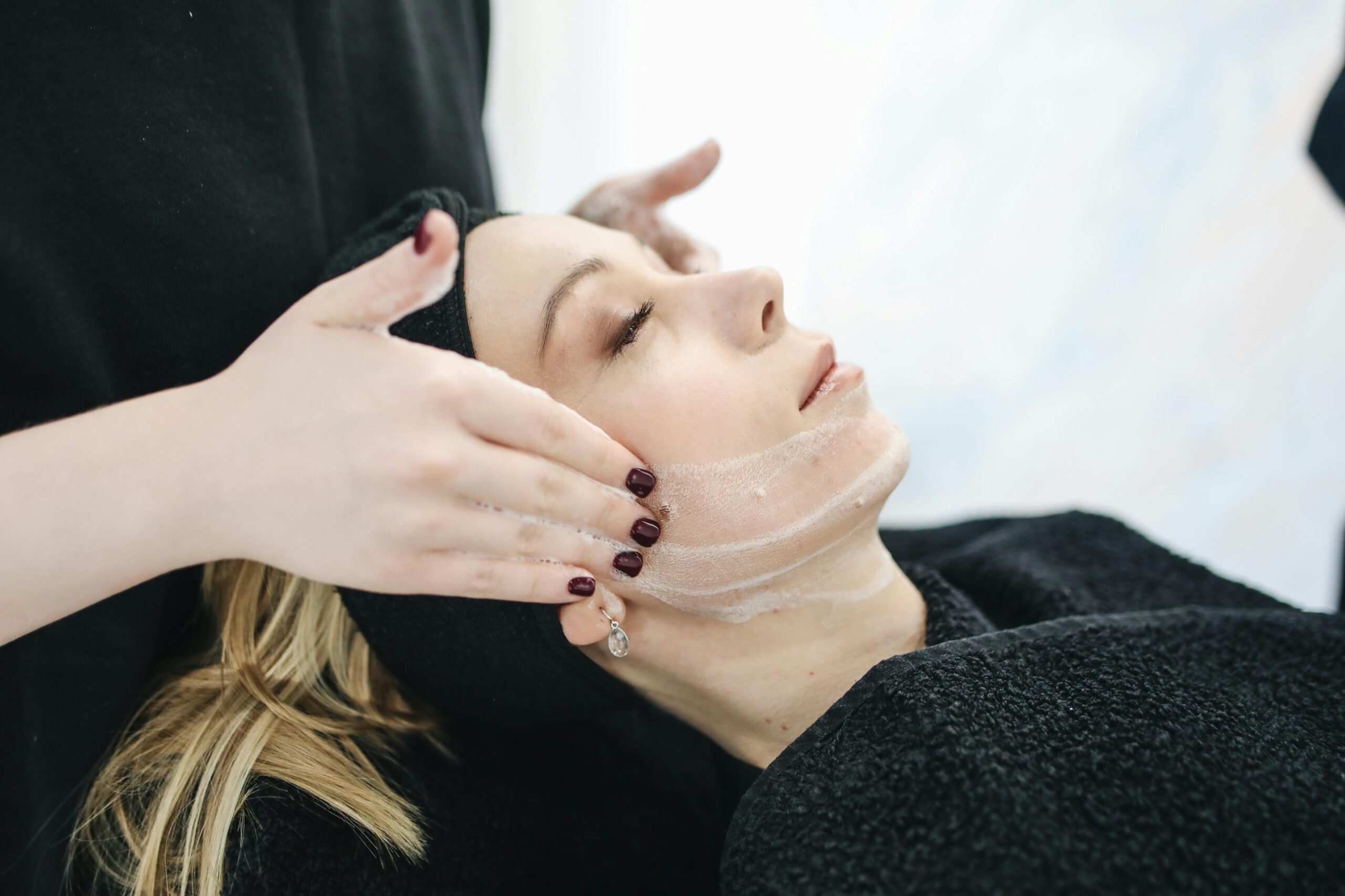
Having healthy, glowing skin is key to feeling good overall. This guide will share 10 key tips to help you care for your skin naturally. You’ll learn how to keep your skin looking great by following a routine and making lifestyle changes.
These tips are great whether you’re tackling skin issues or just want to keep your skin looking bright. By taking a full approach to skin care, you’ll be on your way to the skin you’ve always wanted. Get ready to learn how to get that healthy, glowing look!
The Importance of a Consistent Skincare Routine
Keeping up with a skincare routine is key to having healthy, glowing skin. By having a set morning and evening routine, you can meet your skin’s specific needs. This leads to a balanced and radiant look.
Establishing a Morning and Evening Regimen
Start your day with a light cleanse to get rid of last night’s dirt. Then, use products made for your skin type, like moisturizers or serums, to keep it hydrated and nourished. At night, clean your face again to remove makeup and dirt. Then, apply treatments like retinol or vitamin C to fix specific skin issues.
Tailoring Products to Your Skin Type
There’s no one skincare product for everyone. It’s crucial to pick products that match your skin type, whether it’s oily, dry, sensitive, or mixed. Using products made for your skin type in your daily routine will greatly improve your skin’s health and look.
Cleansing: The Foundation of Healthy Skin
Starting with the right step, like cleansing, is key to having healthy, glowing skin. It’s vital to remove dirt, oil, and pollutants that can block pores and cause skin problems. Learning how to cleanse properly sets the stage for a glowing complexion.
Cleansing is crucial for skin health. It takes away dirt, makeup, and pollutants that gather on the skin all day. If not removed, these can lead to pimples, clogged pores, and early aging. A regular cleansing routine helps keep the skin balanced and looking clear and bright.
There are different ways to cleanse your skin, depending on what you need. If you have normal skin, a gentle, water-based cleanser might be best. It cleans without taking away your skin’s natural oils. But if you have oily or acne-prone skin, a double-cleansing method could be better. This method uses an oil-based cleanser first to break down makeup and oil, then a water-based one to clean out all the dirt.
No matter the cleansing method you pick, it’s important to choose products that fit your skin’s needs. By making cleansing a part of your daily skincare, you’re on your way to having the healthy, glowing skin you want.
Exfoliation: Revealing Radiant Skin
Getting a glowing, healthy look starts with exfoliation. This step removes dead skin cells, showing off fresh, glowing skin. Learn about physical and chemical exfoliants and how to use them for the best results.
Understanding Physical and Chemical Exfoliants
Physical exfoliants, like scrubs and brushes, use rough particles to take off dead skin. They make the skin smooth and improve its feel. Chemical exfoliants, such as acids and enzymes, break down dead cells so they can be washed away.
Both types have their perks. Physical ones give quick, refreshing results. Chemical ones are softer and work deeper in the skin. It’s important to pick what’s best for your skin type and needs.
Adding exfoliation to your skincare routine brings many benefits. It helps even out skin tone, lessens fine lines and wrinkles, and gives a healthy glow. Knowing the differences between physical and chemical exfoliants lets you choose the best for your skin.
Hydration: Quenching Your Skin’s Thirst
Keeping your skin hydrated is key to a glowing, youthful look. It’s essential for maintaining skin that’s soft, nourished, and protected. Hydration helps your skin fight off environmental damage.
Hydrating your skin means using both creams and drinking plenty of water. For the outside, use moisturizers that fit your skin type. These products lock in moisture, stop water from escaping, and feed your skin important nutrients.
Drinking enough water is also crucial for your skin. It helps your skin get the moisture it needs from the inside out. Eating hydrating foods like fruits and veggies also helps keep your skin looking great.
Using both creams and drinking water is a great way to keep your skin healthy and glowing. Try different moisturizers and see what works best for you. This way, you can make sure your skin gets the right amount of moisture it needs.
Sun Protection: Shielding Your Skin from Harm
Keeping your skin safe from the sun’s harmful UV rays is key to its health and looking young. Too much sun can cause early aging, damage, and raise the risk of skin cancer. That’s why using broad-spectrum sunscreen every day is important.
Understanding SPF and Broad-Spectrum Protection
When picking a sunscreen, choose one with an SPF of at least 30. A higher SPF means better protection against UVB rays, which can burn your skin. Also, go for a sunscreen that protects against both UVA and UVB rays.
UVA rays go deep into your skin, causing long-term damage and aging. Using a broad-spectrum sunscreen protects your skin from all harmful UV radiation. This ensures your skin gets the best sun protection.
Apply sunscreen well and reapply every two hours, or more if you’re swimming or sweating. Adding sun protection to your daily life, even when you’re indoors, keeps your skin healthy and vibrant.
Health: Nourishing Your Skin from Within
Healthy, radiant skin is more than just about what you put on your face. It’s deeply connected to your overall health. Eating well, drinking enough water, and getting the right nutrients can help your skin glow from the inside out.
Eating a mix of fruits, veggies, whole grains, and lean meats gives your skin what it needs to stay healthy. Vitamins C and E, along with carotenoids, are key. They protect your skin from harm and help make collagen, which keeps your skin strong.
Drinking enough water is crucial for your skin. It keeps your skin hydrated, removes toxins, and helps it function properly. Try to drink at least eight glasses of water each day for a healthy, glowing look.
Some nutrients, like omega-3 fatty acids, zinc, and probiotics, are great for your skin. Adding these to your diet through food or supplements can lessen inflammation, improve your skin’s barrier, and fight acne.
By focusing on your diet, staying hydrated, and getting the right nutrients, you can make your skin look its best. Remember, taking care of your skin is about more than just what you put on it. It’s about a lifestyle that supports your skin’s natural glow.
Stress Management: Preventing Skin Flare-ups
Stress can really affect your skin’s health and look. It can lead to more inflammation, acne, and make skin conditions worse. It’s important to know how stress affects your skin to stop these flare-ups.
Mindfulness and Relaxation Techniques
Using mindfulness and relaxation can fight stress’s bad effects on your skin. Activities like meditation, deep breathing, or yoga can lower stress and help your skin heal. Taking time to relax and connect with your body helps manage stress and stop skin flare-ups.
Simple mindfulness, like watching your thoughts or focusing on your breath, can help your skin. Also, relaxation exercises like progressive muscle relaxation or guided imagery can help your body and mind relax. This lets your skin heal and look better.
Managing stress and taking good care of your skin go together. By focusing on stress management and being mindful, you can stop skin flare-ups. This keeps your skin looking healthy and glowing.
Sleep: Allowing Your Skin to Rejuvenate
Quality sleep is key for your skin’s health and glow. When you sleep, your skin fixes and regenerates itself. This helps keep your skin young and stops early signs of aging.
As you sleep, your body works on fixing itself from the inside out. Cells renew, collagen levels go up, and your skin’s protective layer gets stronger. This is key for fighting fine lines, wrinkles, and dullness, making your skin look and feel great.
To help your skin get the rest it needs, aim for 7-9 hours of good sleep every night. Stick to a bedtime routine and make your sleep area comfy for better sleep. Prioritizing sleep lets your skin heal and shine, making it look amazing.