























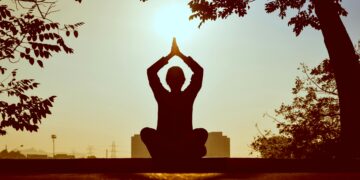



In today’s fast-paced world, stress is a big problem that affects our health and minds. Luckily, there are many natural ways to ease stress and find calm. This article will share 10 effective stress relief, natural stress management, and relaxation techniques. These can improve your health and wellness and help reduce anxiety.
Deep breathing exercises and the healing power of nature are just a few of the natural stress management methods. These strategies aim to tackle stress at its core and build a stronger, more balanced mindset. Adding these practices to your daily life can lead to better health and wellness. It helps you face life’s challenges with ease and confidence.
The Benefits of Deep Breathing Exercises
Deep breathing exercises are a great way to reduce stress and relax. By focusing on your breath, you can calm your body and mind. This simple method helps activate the parasympathetic nervous system, which promotes relaxation.
These exercises offer many benefits for those looking to manage stress and be more mindful. They can help you feel more relaxed and focused.
Techniques to Calm the Mind and Body
Diaphragmatic breathing, or belly breathing, is a key technique. It means breathing deeply into your belly, letting your diaphragm move naturally. Another method is box breathing. This involves breathing in for four counts, holding for four, exhaling for four, and holding again for four. This creates a calming rhythm.
Deep breathing can lower stress, reduce blood pressure, and make you feel more relaxed. It helps quiet your mind and lessen anxious thoughts. Adding just a few minutes of deep breathing daily can greatly improve your stress levels and mental health.
The Power of Meditation for Stress Relief
In today’s fast-paced world, finding ways to manage stress and find inner peace is key. Meditation is an ancient practice that’s gaining attention for its benefits. It can change our mental and emotional health, offering a break from daily stress.
Meditation helps us focus on the now, letting go of worries. By spending a few minutes each day in quiet thought, we can improve our mental health and inner peace. This can greatly improve our overall well-being.
The benefits of meditation for stress reduction are clear. It can lessen anxiety and depression, help with emotional control, and boost brain function. By focusing on the breath or a mantra, meditation quiets the mind. This leads to more mindfulness and calmness.
Adding meditation to your daily life can change you. It doesn’t matter if you’re new or experienced. Taking time for yourself can be a powerful way to deal with stress. So, why not try it? Your mind and body will appreciate it.
Yoga: A Holistic Approach to Reducing Stress
Yoga brings together the body, mind, and spirit in a unique way. It uses physical postures, breathing techniques, and meditation to help with stress and relaxation. This ancient practice is a powerful way to ease both body and mind, leading to a better sense of well-being.
Beginner-Friendly Yoga Poses for Relaxation
Yoga has many easy poses perfect for those just starting out. The Child’s Pose is great for calming the mind and easing back and shoulder tension. The Corpse Pose, or Savasana, helps you fully relax by letting your body go limp. The Gentle Twist also helps release stress and anxiety by gently massaging the spine.
Adding these simple yoga poses to your routine can help you feel the benefits of this practice. It’s a great way to take care of your mind and body.
Yoga does more than just help with exercise. It connects the body and mind in a special way. By focusing on mindfulness, breathing, and being present, yoga helps you handle stress better. This leads to a deep feeling of relaxation and peace inside.
The Healing Effects of Nature and Outdoor Activities
Being in nature can calm the mind and heal the body. Activities like walking in a park or hiking in mountains help reduce stress. They also make us feel happier and more well.
Reconnecting with the Great Outdoors
Outdoor activities like hiking or gardening can help our mental health. Nature reduces anxiety, depression, and stress. It also boosts our immune system and helps us relax.
By spending time in nature, we connect with the healing power of ecotherapy. This helps us cope with daily life’s challenges.
Even a short walk or a weekend camping trip in nature helps us unwind. It lets us enjoy the beauty around us. This builds a deeper connection with nature and appreciation for its simple joys.
The Importance of Quality Sleep for Health
Quality sleep is key for handling stress and keeping us healthy. Not getting enough sleep or having poor sleep can make us more stressed, tired, and weakens our immune system. It’s important to make sleep a priority for stress relief and staying healthy.
Good sleep helps control our body’s stress response. While we sleep, our brain and body fix and recharge. Without enough sleep, stress hormones like cortisol can stay high, making us more anxious and tense.
Good sleep habits are important for quality sleep. This means going to bed and waking up at the same time every day, having a calming bedtime routine, and making your bedroom cool, dark, and quiet. A good mattress and pillows can also make your sleep better.
Putting sleep first and using stress-reducing methods like deep breathing, meditation, and avoiding screens before bed can improve your health and stress management. Quality sleep is a key part of a healthy life.
Mindful Eating: Nourishing the Body and Mind
Our diet is key to managing stress. Eating mindfully and choosing foods that help reduce stress can boost our health. This section will look at how food affects stress and offer tips on eating mindfully and choosing foods that help reduce stress.
Incorporating Stress-Relieving Foods into Your Diet
Some foods can help reduce stress. For example, omega-3 fatty acids in fatty fish can improve mood and lower inflammation. Antioxidant-rich fruits and vegetables can fight stress’s negative effects on the body.
Using mindful eating techniques, like enjoying each bite and being fully present, can improve our relationship with food. It also boosts our mental health and self-care. By eating slowly and connecting with our food, we get the most from our nutritional choices.
Remember, finding stress relief through mindful eating and stress-relieving foods is personal. Try different nutritional ways to see what suits you best. By caring for both your body and mind, you can find a powerful way to self-care and better well-being.
The Therapeutic Benefits of Physical Exercise
Regular physical exercise is a great way to reduce stress and boost your well-being. Studies show that it can lower stress levels, release happy endorphins, and improve your mood and thinking. There are many types of exercises that help both your body and mind.
Exercise helps by releasing endorphins, which make you feel happy. These endorphins work with your brain to make you feel good and lessen pain. This can make you feel more relaxed and refreshed.
Exercise also benefits your mental health. It can lessen anxiety and depression, and make you think better and feel happier. It gives you a way to deal with stress and anxiety, helping you stay calm and focused.
It doesn’t matter if you like walking, working out, or doing yoga. Adding exercise to your life can be a great way to handle stress and improve your health. Find activities you enjoy and make them a regular part of your routine for better stress relief and mental health.
Health: Prioritizing Self-Care and Relaxation
In today’s fast-paced world, it’s easy to overlook our well-being. Yet, making self-care a priority is key to handling stress and keeping healthy. By adding self-care to our daily life, we can achieve a better balance between work and life. This leads to more happiness every day.
Self-care means taking breaks during the day. It could be a short meditation, a walk, or enjoying a healthy snack away from your desk. These breaks help lower stress and refresh your mind and body. Doing hobbies you love is also self-care. It lets you step away from work and enjoy activities that make you happy.
Also, getting enough sleep, eating well, and exercising are important for your health. By focusing on self-care, you can handle stress better. This improves your health, wellness, and work-life balance.
The Power of Laughter and Positive Social Connections
Laughter and positive social interactions greatly improve our mental health and stress management. Sharing laughs with friends or connecting deeply with others releases happy hormones like endorphins and oxytocin. These hormones fight off the bad effects of stress.
Having a strong support network gives us a sense of belonging and security. This is key for feeling emotionally well. Reaching out to family, joining groups, or spending time with friends makes us feel more stable. It helps us deal with life’s daily challenges.
Building a Support Network for Stress Management
Creating a supportive social network is great for reducing stress. First, think about who in your life lifts you up and connects you. Make time for regular chats, whether it’s a weekly call, a monthly meetup, or just laughing over coffee.
Also, think about joining a club, class, or group that matches your interests. This can help you meet people who share your passions and offer emotional support.
Keeping a healthy support network takes work, but it’s worth it for your mental health and stress relief. By focusing on laughter, connection, and being social, you can build a strong base for resilience and well-being.
Aromatherapy: Harnessing the Power of Essential Oils
Aromatherapy uses essential oils to help reduce stress and promote relaxation. These oils come from plants and have special properties. They can calm the mind and body, easing anxiety and improving mood.
Oils like lavender, chamomile, and bergamot soothe the nervous system. They are great for people under a lot of stress. Adding these oils to your self-care can make you feel more relaxed and balanced.
You can use essential oils in many ways, like diffusing them or applying them to your skin. Try different oils and methods to see what suits you best. Let the calming effects of these natural remedies help you relax and find peace.
Journaling: A Reflective Practice for Stress Release
Life can get overwhelming with all the stress we face. But, journaling is a simple yet powerful way to manage stress. It lets us look into our thoughts, feelings, and experiences. This makes it a safe space for emotional processing and self-expression.
By writing regularly, we can understand ourselves better. Journaling helps us turn our worries and fears into words. This way, we can explore and release them. Reflecting on our feelings can be very cathartic, giving us clarity and relief from stress.
Journaling also has great benefits for our mental health. It boosts self-awareness, emotional intelligence, and resilience. Writing down our feelings helps us process them and find peace.
Starting a journal might seem hard, but it’s worth it. You can write every day, week, or when you feel like it. Just putting your thoughts and feelings into words can change your life. Try journaling to find stress relief, reflection, and personal growth.
The Calming Effects of Soothing Music and Sound Therapy
Using soothing music and sound therapy can help reduce stress and make you feel deeply relaxed. The right sounds can make your heart rate and blood pressure go down. This helps calm your mind and body.
Many studies show that music therapy is good for your mental health. It can make you feel less anxious, happier, and more well. Listening to nature sounds, guided meditations, or classical music can take you to a peaceful place.
Sound therapy uses different sounds and tools to help with stress. Sounds from singing bowls, gongs, or binaural beats can change your brainwaves. This can lead to a deep relaxation and a calm feeling inside. Adding these sounds to your daily life is a simple way to fight stress.